
Blending cultures and traditions in a destination wedding creates a celebration that honors both partners’ backgrounds while giving guests an unforgettable, meaningful experience! Whether you’re incorporating family customs, religious rites, or regional practices from your destination, thoughtful planning ensures the day feels cohesive, respectful, and personal. Here’s a practical guide to blending cultures and traditions in a destination wedding!
Photography: Visionari
Start with honest conversation
Share priorities. Each partner should list traditions or rituals that matter most — ceremonies, music, dress, foods, readings, or symbolism. Identify non-negotiables and areas open to flexibility.
Involve families early. Many traditions are family or community-based. Invite input from parents and elders to understand the meaning behind customs and to gauge what they want to include.
Decide on tone. Agree whether the wedding will emphasize one culture more, give equal space to both, or create a new, hybrid ceremony that fuses elements.
Choose the right venue and vendors
Photography: Bianca Photography
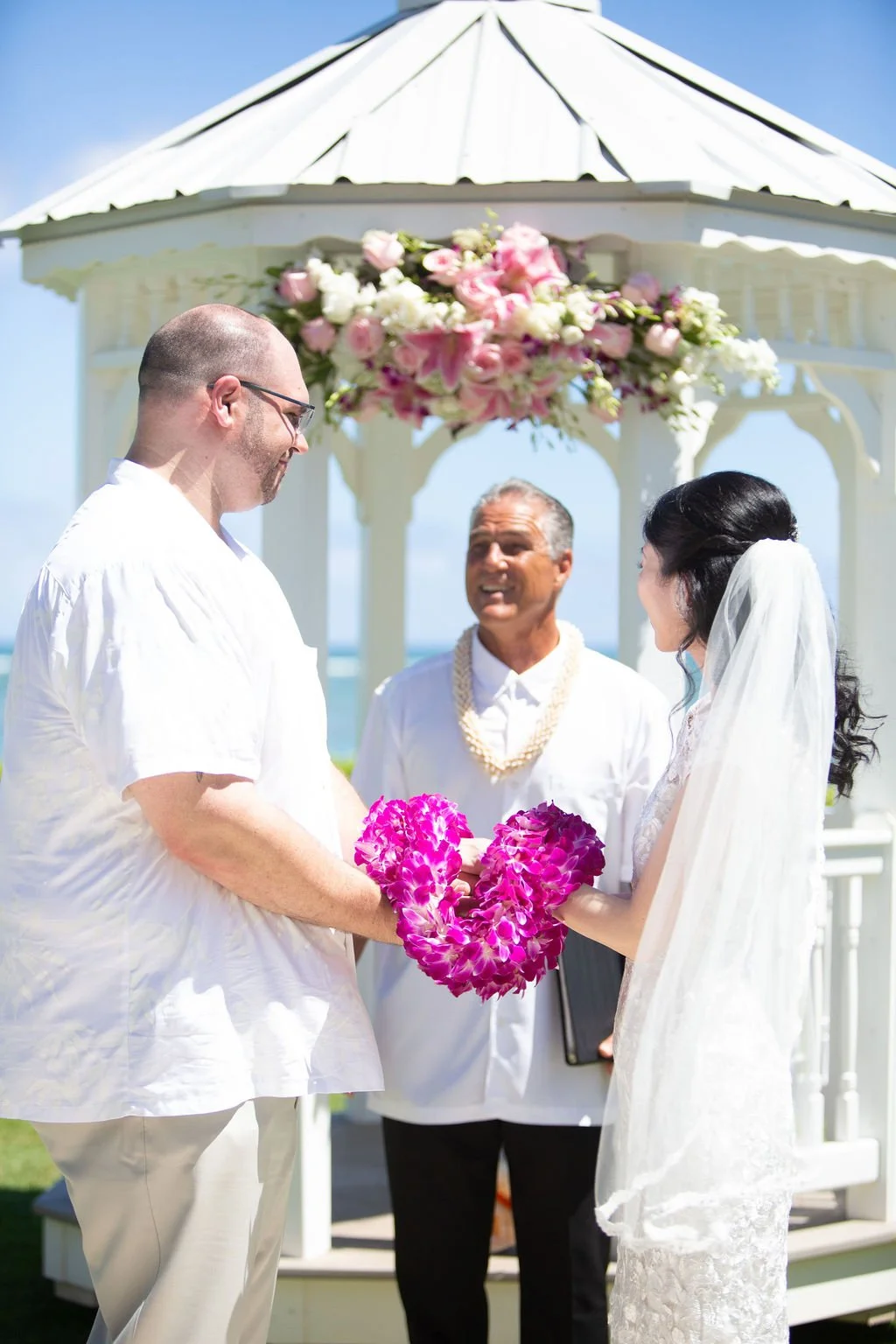
Match venue to cultural needs. Some rituals require specific settings (a beachfront blessing, a temple, or a banquet hall). Confirm venue rules and how flexible they are with decorations, music, food service, and timing.
Hire culturally knowledgeable vendors. A planner, officiant, caterer, or coordinator familiar with both cultures will help avoid missteps and adapt traditions appropriately. If possible, hire vendors from the cultures represented.
Consider bilingual or dual-language services. Programs, signs, or an emcee who can speak both languages help guests feel included!
Plan an inclusive ceremony
Create a ceremonial flow that respects all traditions. Work with your officiant to sequence rites so they feel connected rather than pasted together. Explain transitions to guests to maintain clarity.
Keep explanations brief but meaningful. Short program notes or a prelude by the officiant can explain the significance of unfamiliar rituals.
Use symbolism to bridge traditions. Elements like unity candles, sand ceremonies, or tying rituals can be adapted to reflect combined meanings from both cultures!
Blend attire and aesthetics thoughtfully
Mix traditional clothing. Consider wearing traditional outfits for part of the day (ceremony or reception) and changing into Western attire for another part. Alternatively, combine fabrics, patterns, or accessories from both cultures into a single look.
Balance décor elements. Merge color palettes, floral choices, and iconography so the overall design feels unified. Avoid crowding the space with too many competing symbols.
Respect sacred items. Some cultural garments or objects have religious or ceremonial significance and should be handled appropriately.
Design a menu that honors both culinary heritages
Offer a fusion menu or separate stations. A tasting-style reception can let guests try dishes from both cultures without forcing full fusion. Alternatively, a signature course that merges flavors can symbolize unity.
Account for dietary and religious restrictions. Make sure any traditional dishes that require specific preparations are handled correctly and labeled for guests.
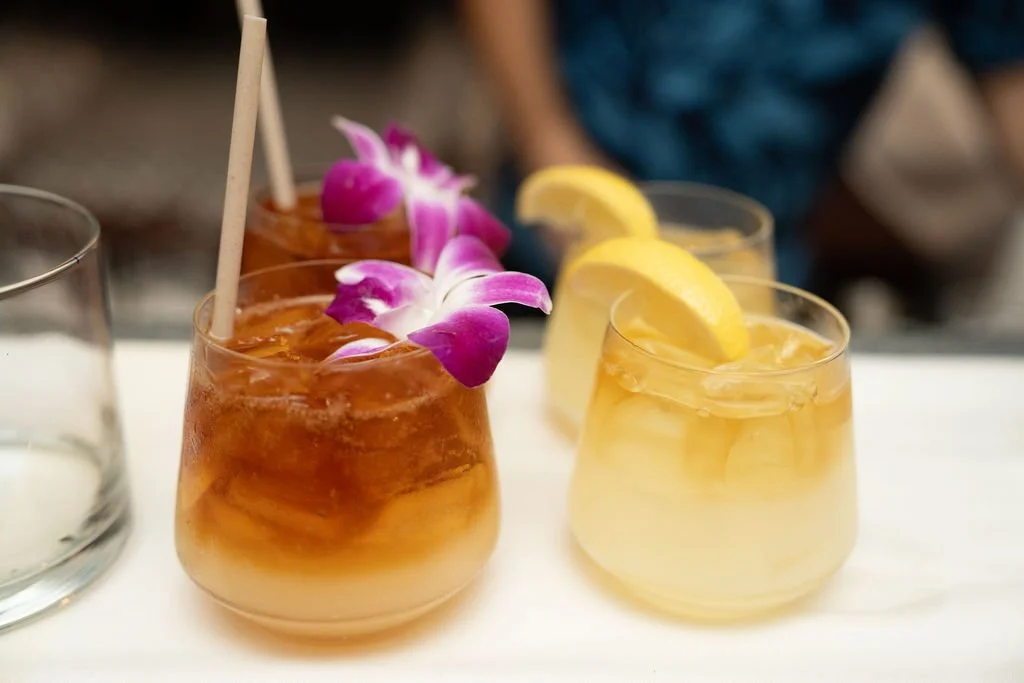
Showcase desserts and drinks. Sweet traditions often carry strong cultural meaning—present both wedding cakes or traditional sweets, or do a tasting platter.
Photography: Bianca Photography
Integrate music and dance with purpose
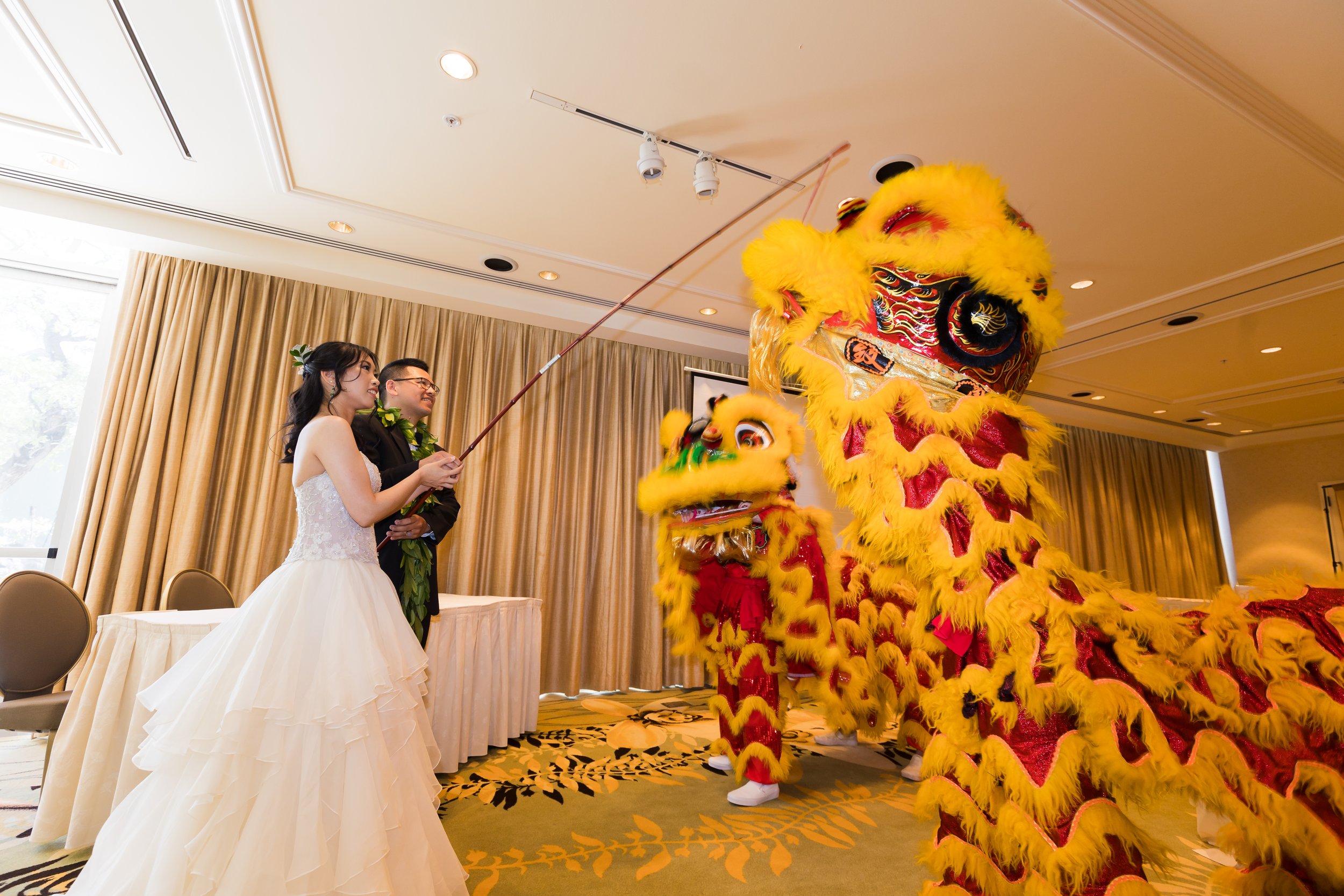
Create programming that alternates or combines cultural performances. Start the reception with music from one culture and transition to the other, or open the dance floor with a combined set.
Teach guests key dances or rituals. Short demonstrations or led instruction encourage participation and make unfamiliar dances accessible.
Respect musical significance. Some songs or instruments may be reserved for ceremonial use. Check in with cultural advisors before including them.
Include rituals that welcome guests
Hospitality practices matter. Some cultures emphasize welcoming gestures (lei-giving, garlands, handshakes, tea-serving). Incorporate these to make guests feel included and to honor traditions.
Offer clear cues for participation. Simple language in programs or announcements helps guests know when to stand, join, or observe.
Consider a welcome event. A rehearsal dinner, welcome luau, or cultural evening allows more room for extended traditions that wouldn’t fit into the ceremony or reception.
Honor religious requirements and legalities
Photography: Keani Bakula
Consult religious leaders. If either culture’s traditions have religious components, discuss requirements for officiants, witnesses, or sacramental elements well in advance.
Confirm legal marriage requirements. Especially for destination weddings, ensure that civil paperwork and language requirements are met for a legally recognized marriage.
Plan private observances if needed. Some sacred rituals might be private or require small, family-only settings—build time for those into your schedule.
Communicate openly with guests
Use programs and signage. Provide explanations for rituals, dress codes, and any guest participation so people from all backgrounds feel comfortable.
Set expectations about cultural fusion. A brief note from the couple in the program can explain why certain traditions were chosen and the meaning behind them.
Be mindful of accessibility. Translate materials, offer captioning or interpreters if needed, and consider
With these tips we hope you’ll be able to create the wedding of your dreams blending cultures and traditions in a destination wedding! :-)
XOXOXO
(A Perfect Day)