
You put thought and money into your wedding flowers, and it’s natural to wonder what to do with them after the celebration ends. Flowers can be preserved, repurposed, or passed along — each option helps extend the life and meaning of your arrangements. Below are practical and creative ways to handle bouquets, boutonnieres, centerpieces, and floral extras after the wedding!
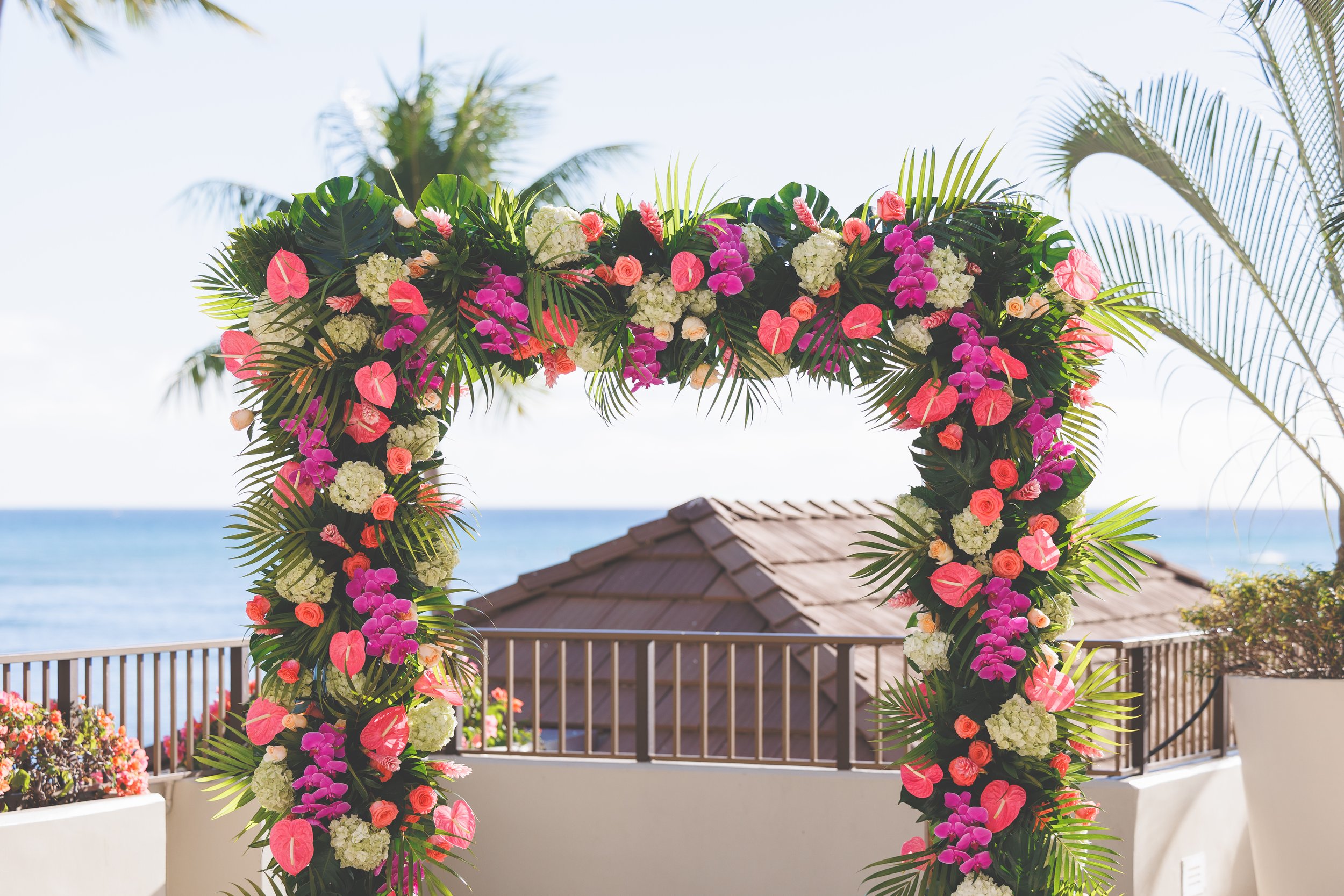
Photography: Embr Photo
Immediate steps the day of
Decide beforehand who will take what. Assign bouquets, boutonnieres, corsages, and smaller arrangements to family members or attendants if they want them.
Keep flowers cool and out of direct sun between the ceremony and reception, and again before preservation. Stems in water will last longer.
For the drive home, place bouquets in shallow containers with a little water or wrap stems in wet paper towels and a plastic bag to retain moisture.
If you plan to preserve flowers, ask your florist for guidance; some blooms preserve better than others and the florist may be able to hang them or provide special care.
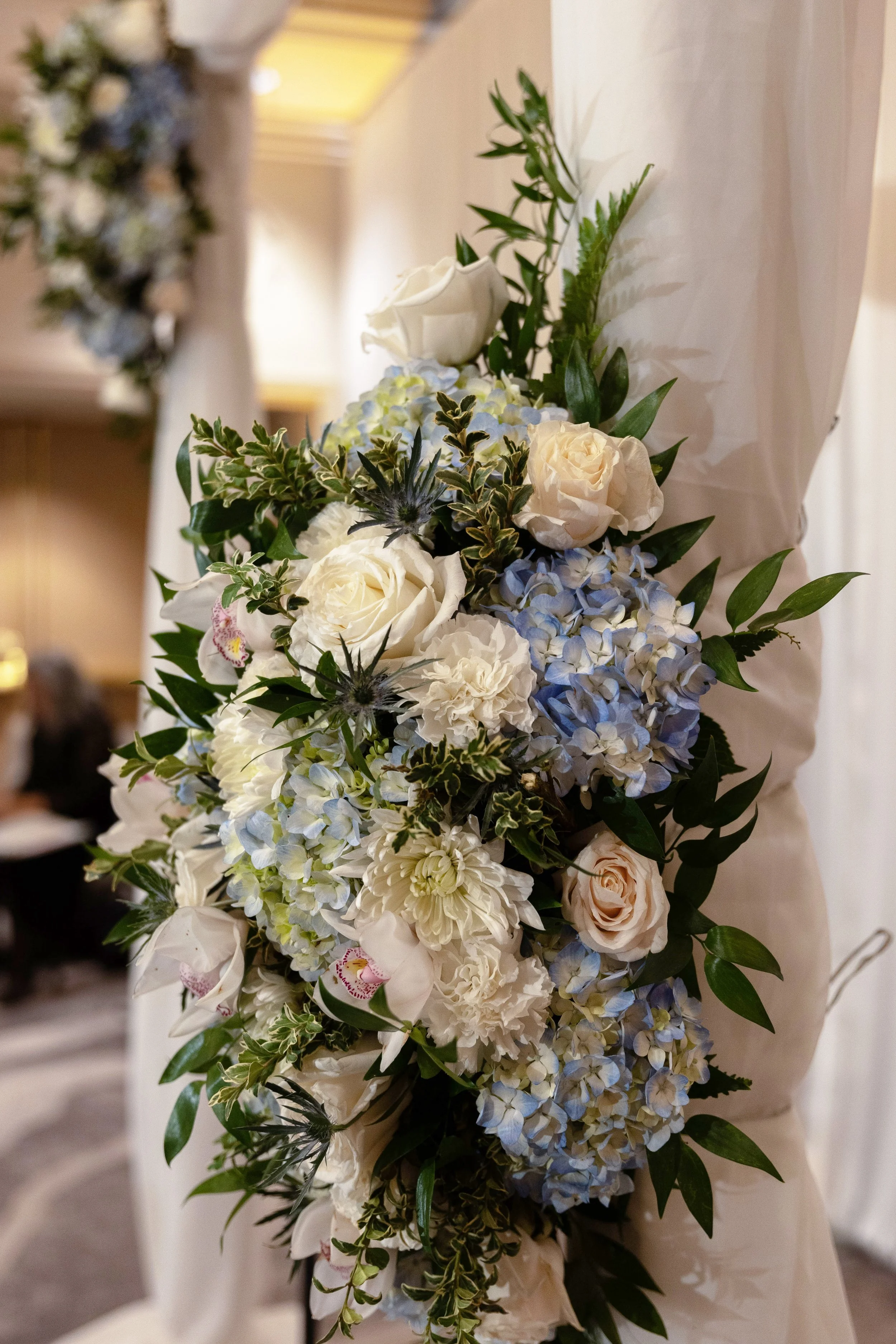
Photography: Bianca Photography
Short-term uses (same day or next 24–48 hours)
Gift bouquets to family or older guests who might appreciate them.
Donate to a local hospital, hospice, nursing home, or shelter. Call ahead to confirm they accept fresh floral donations.
Use centerpieces as table décor in your home for dinner the day after or split them up for smaller gatherings with friends and family.
Turn boutonnières into keepsakes by letting them air dry or pressing the main bloom.
Preservation options (for long-term keepsakes)
Professional preservation: Floral preservationists can dry and preserve arrangements using techniques like freeze-drying or silica gel. This keeps color and form best but can be costly.
Pressing: Press individual flowers between heavy books or a flower press to make framed art, bookmarks, or keepsake cards. Best for flat blooms like pansies, roses (petals), and ferns.
Air drying: Hang bouquets upside down in a cool, dry, dark place for two to four weeks. Works well for sturdy blooms like lavender, eucalyptus, statice, and certain roses.
Resin preservation: Encapsulate single blooms or petals in clear resin to make paperweights, jewelry, or decorative blocks. Requires a DIY kit or a craftsperson’s help.
Freeze-drying: Often done by professionals, freeze-drying removes moisture and preserves shape and color better than air drying.
Interested in preserving your wedding florals? Contact at Modern Bouquet Preservation and use our code: APD for special pricing! :-)
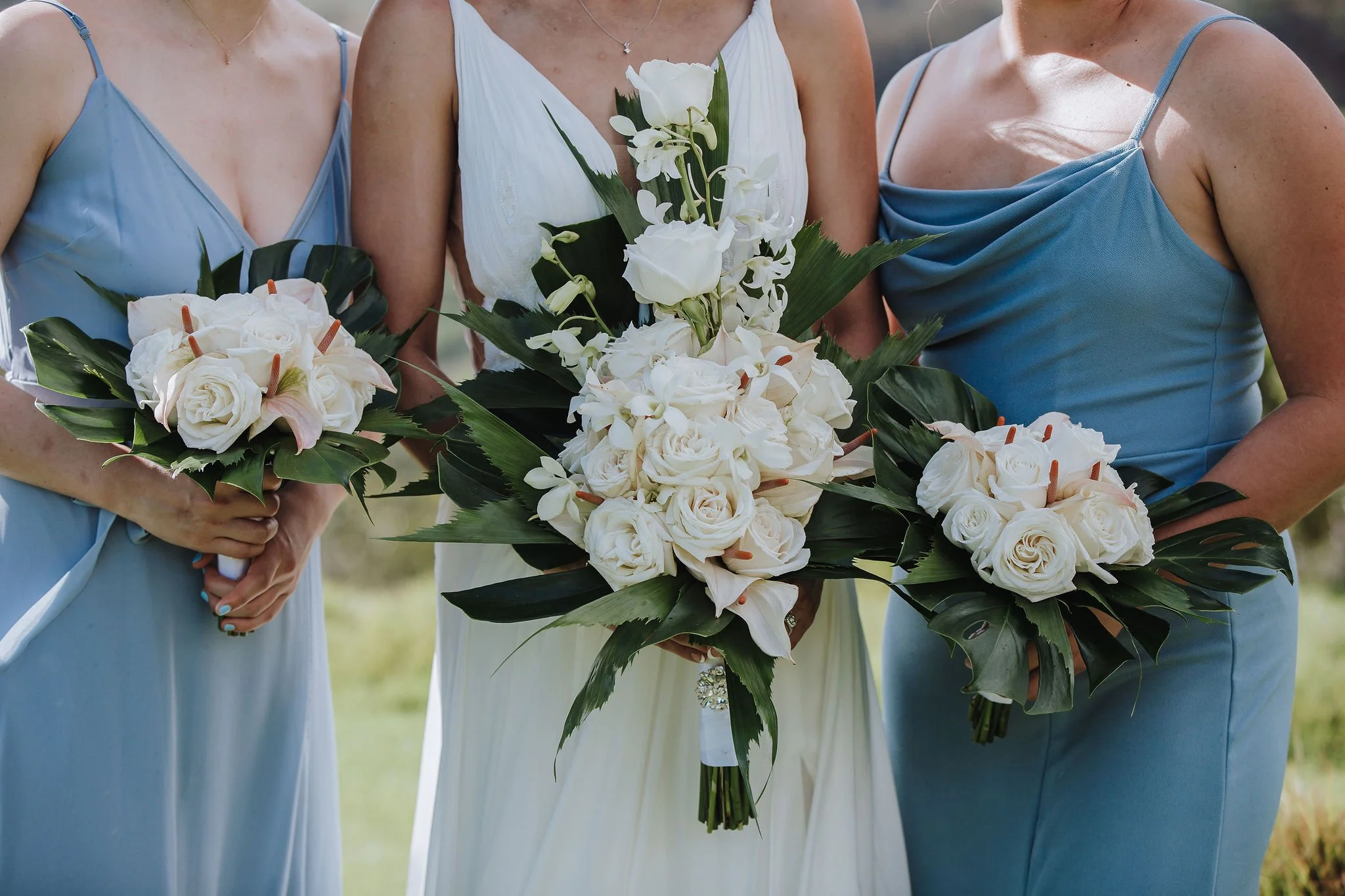
Photography: Michele C Photo
Creative repurposing ideas
Pressed art: Make framed botanical art or include pressed petals in your wedding album pages.
Jewelry: Use petals or small blossoms to create resin pendants, cufflinks, or charms that carry sentimental value.
Shadow box: Combine a dried bouquet, a corsage, your invitation, and a photo in a shadow box for a visual keepsake.
Candles and soaps: Infuse homemade candles or soaps with dried petals (ensure they’re safe and fully dry).
Potpourri: Dry petals and mix with essential oils and dried citrus peels to make fragrant sachets or bowls.
Floral confetti: If you’ve chosen biodegradable petals, save some as eco-friendly confetti for future celebrations.
Turning bouquets into décor
Mini arrangements: Cut bouquets into smaller vases for home décor. Place on bedside tables, mantels, or desks.
Wreaths: Use dried greenery and blooms to craft a wreath for a door or wall.
Table runner: Lay out stems or garlands as a centerpiece for a special dinner or anniversary celebration.
Photo props: Keep a small portion of the bouquet for anniversary photo shoots or to rest beside framed wedding photos.
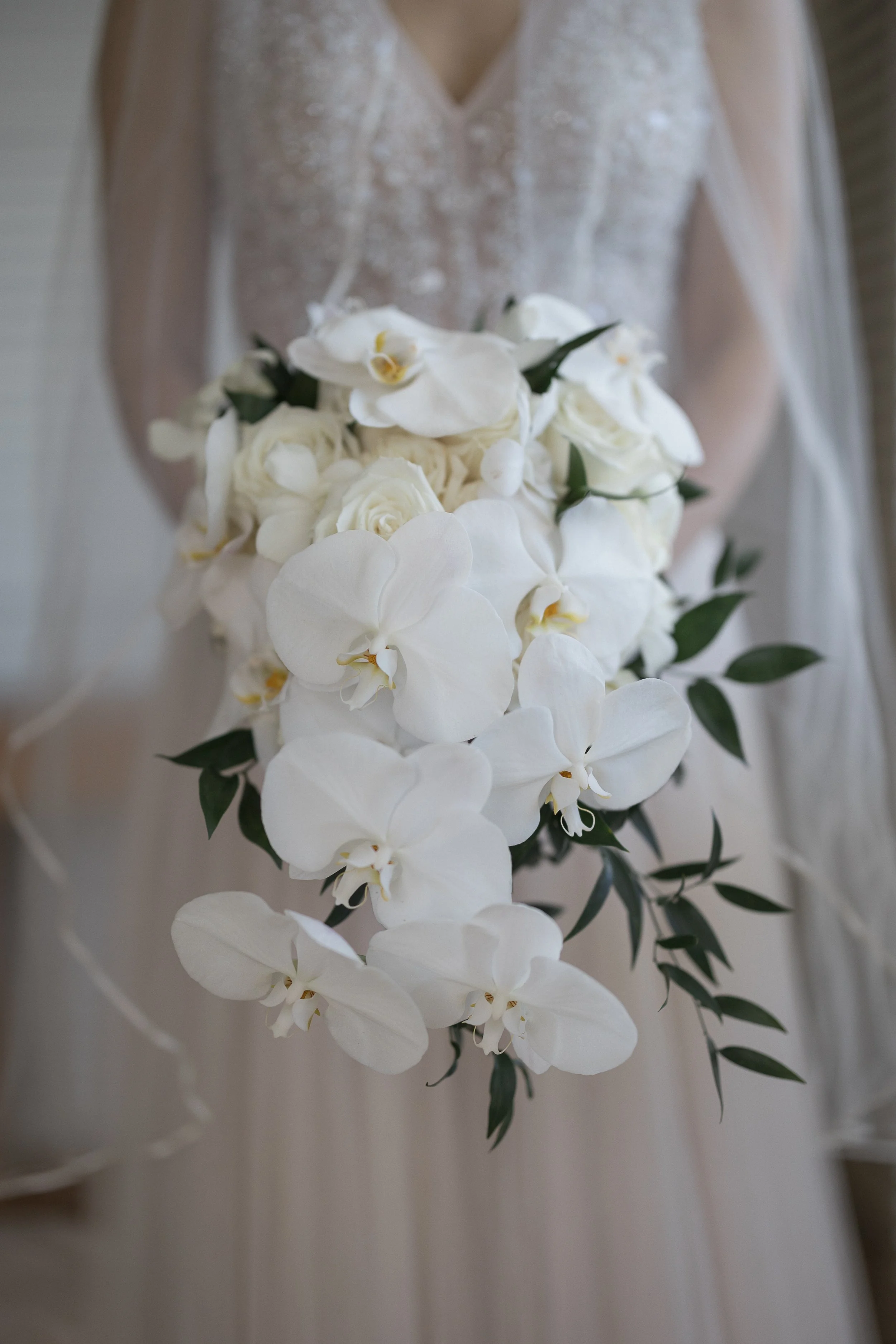
Photography: Visionari
Floral donation and composting
Donate leftover arrangements or centerpieces to hospitals, shelters, or community centers. Many florists and wedding venues can connect you with organizations that accept donations.
Compost: If flowers are natural (no heavy dyes, glitter, or non-biodegradable elements), composting is an eco-friendly option. Remove wires, floral foam, and non-biodegradable tape first.
Local programs: Check local botanical gardens, farmers’ markets, or municipal compost programs that accept floral waste.
What to avoid
Don’t put fresh flowers directly in the freezer unless instructed by a professional preservationist; this can damage them.
Avoid storing flowers in sealed plastic bags while wet — this encourages mold.
Don’t attempt certain preservation techniques (like complex resin casting) without practice or professional help; mistakes can damage the blooms.
Costs and timing
Preservation costs vary widely: professional freeze-drying and preservation can run hundreds to over a thousand dollars depending on bouquet size and complexity. Pressing and DIY drying are low-cost alternatives.
Act quickly for preservation. The fresher the flowers at start, the better the final result. Consult a preservationist within a few days
XOXOXO
(A Perfect Day)
A Perfect Day Hawaii, Wedding Planner, Hawaii Wedding Planner, Hawaii Weddings www.APerfectDayHawaii.com