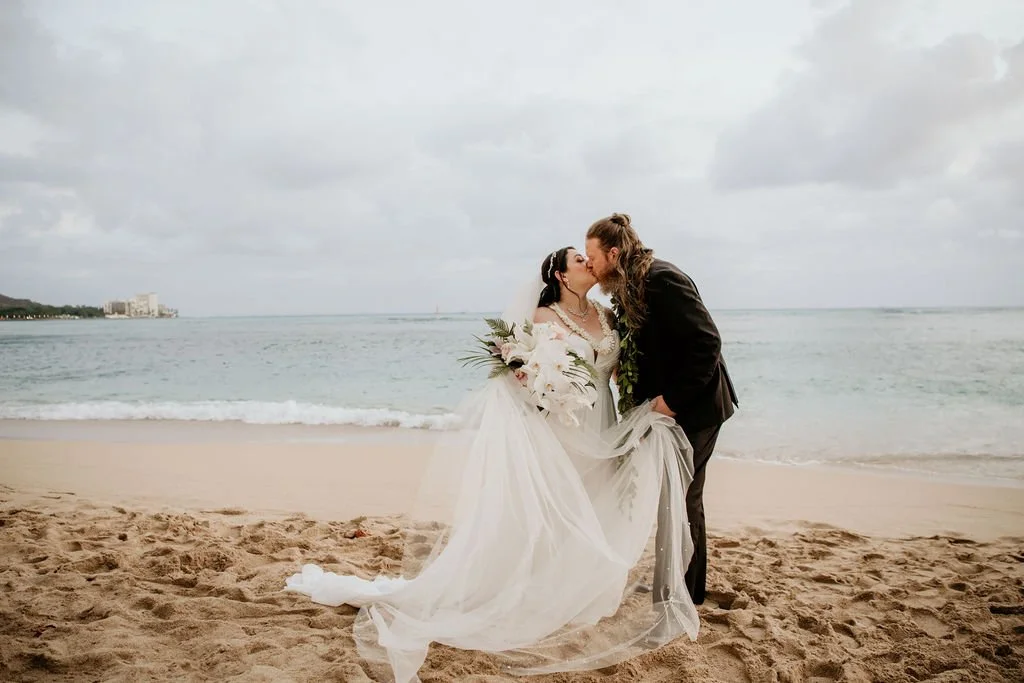
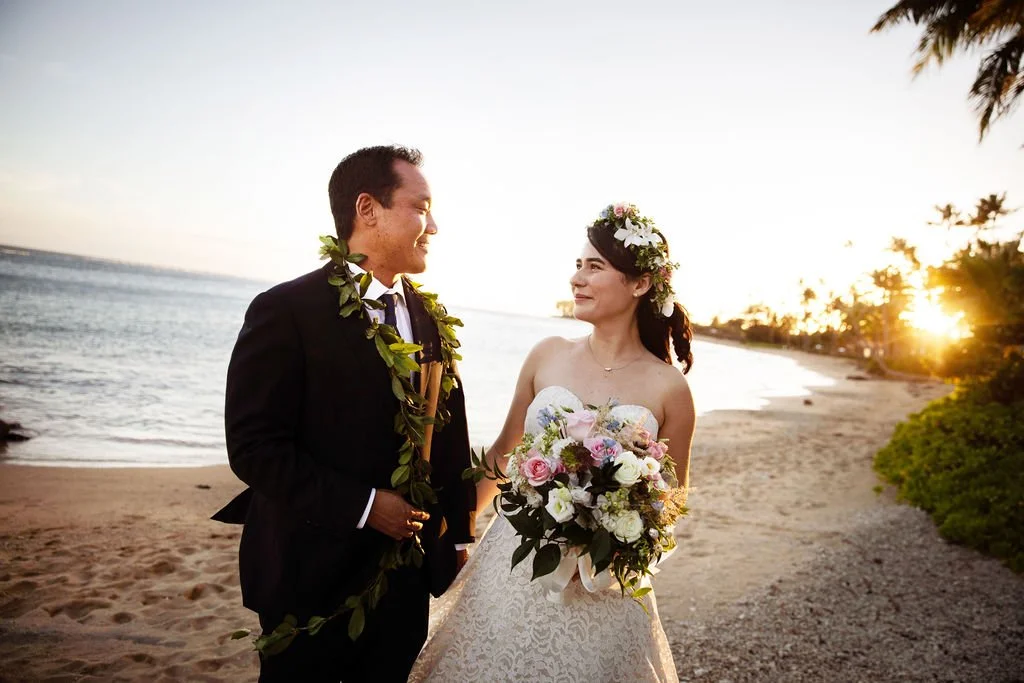
After months of planning, your wedding day has finally arrived! You’ve chosen the venue, finalized the details, and probably answered approximately one million questions along the way. Now it’s time to take a breath and enjoy it!
While your wedding team will be there to help keep everything running smoothly, a little preparation can make the day feel even more relaxed and enjoyable. Here are a few wedding-day tips every couple should know before saying “I do.”
1. Eat Something!
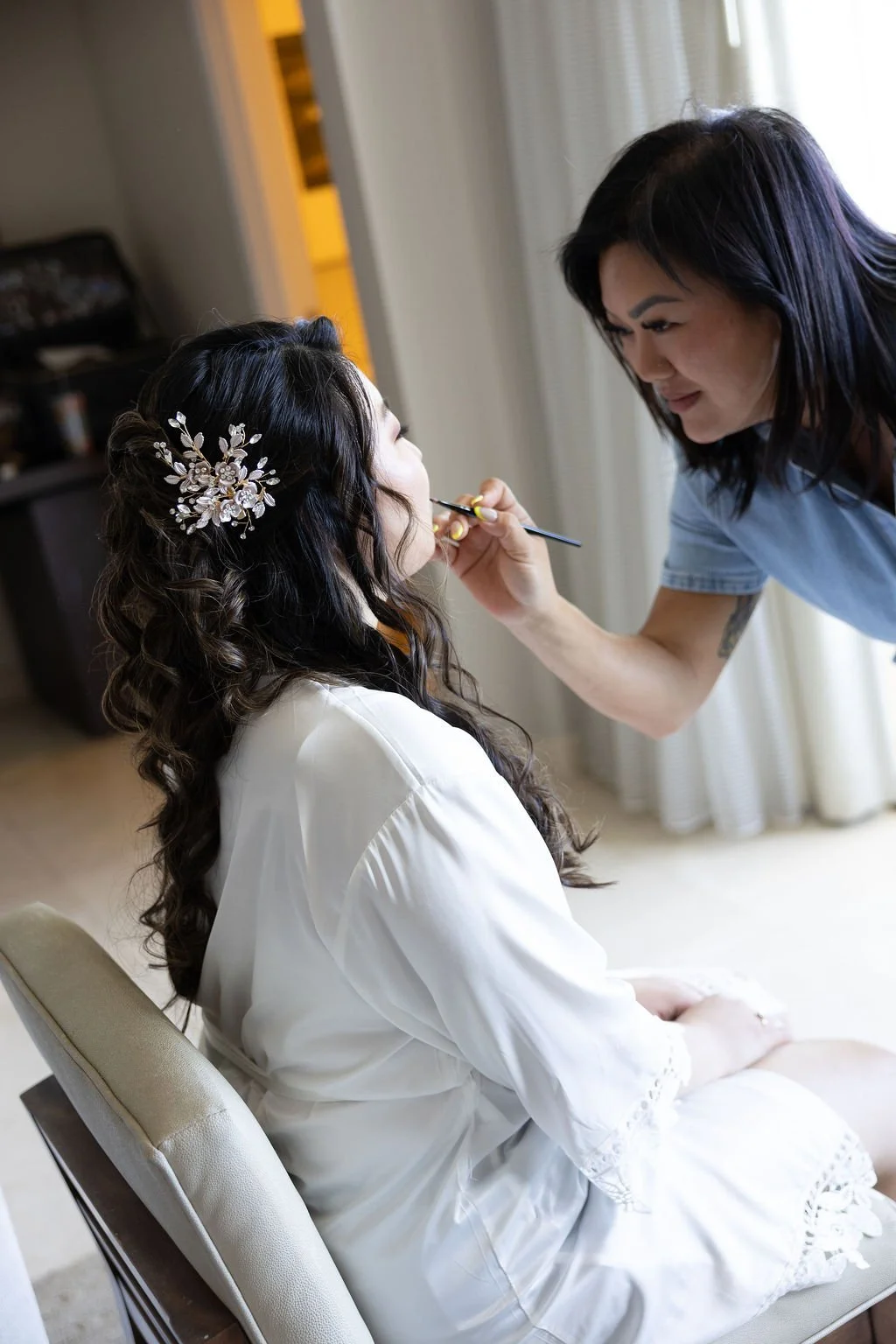
This one sounds obvious, but it’s easy to forget when you’re busy getting ready. Between hair and makeup, photos, and pre-ceremony excitement, breakfast or lunch can quickly become an afterthought!
Make sure you have something filling and easy to eat before the festivities begin. Keep snacks and water nearby throughout the day, too. You’ll want plenty of energy for all the celebrating ahead!
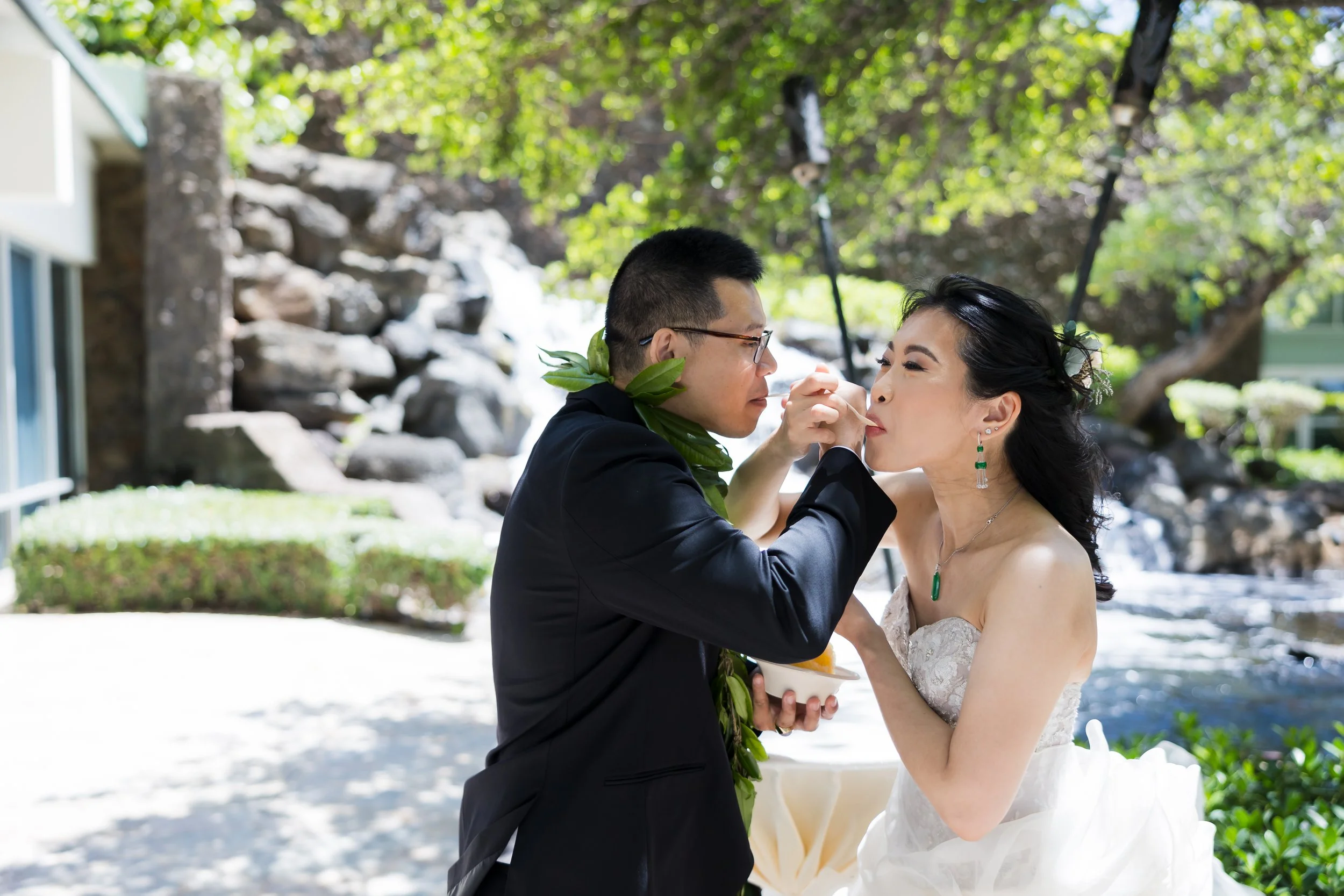
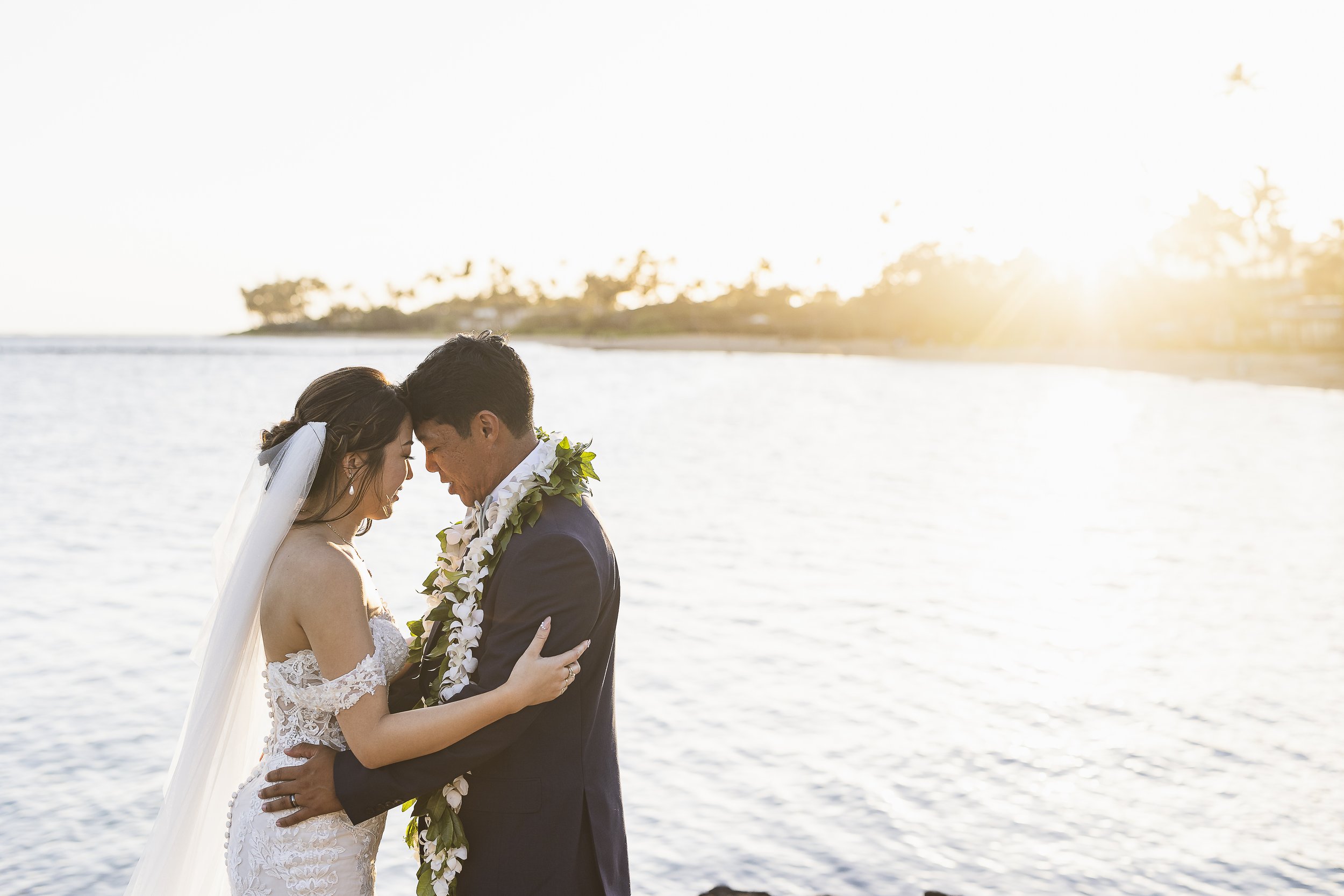
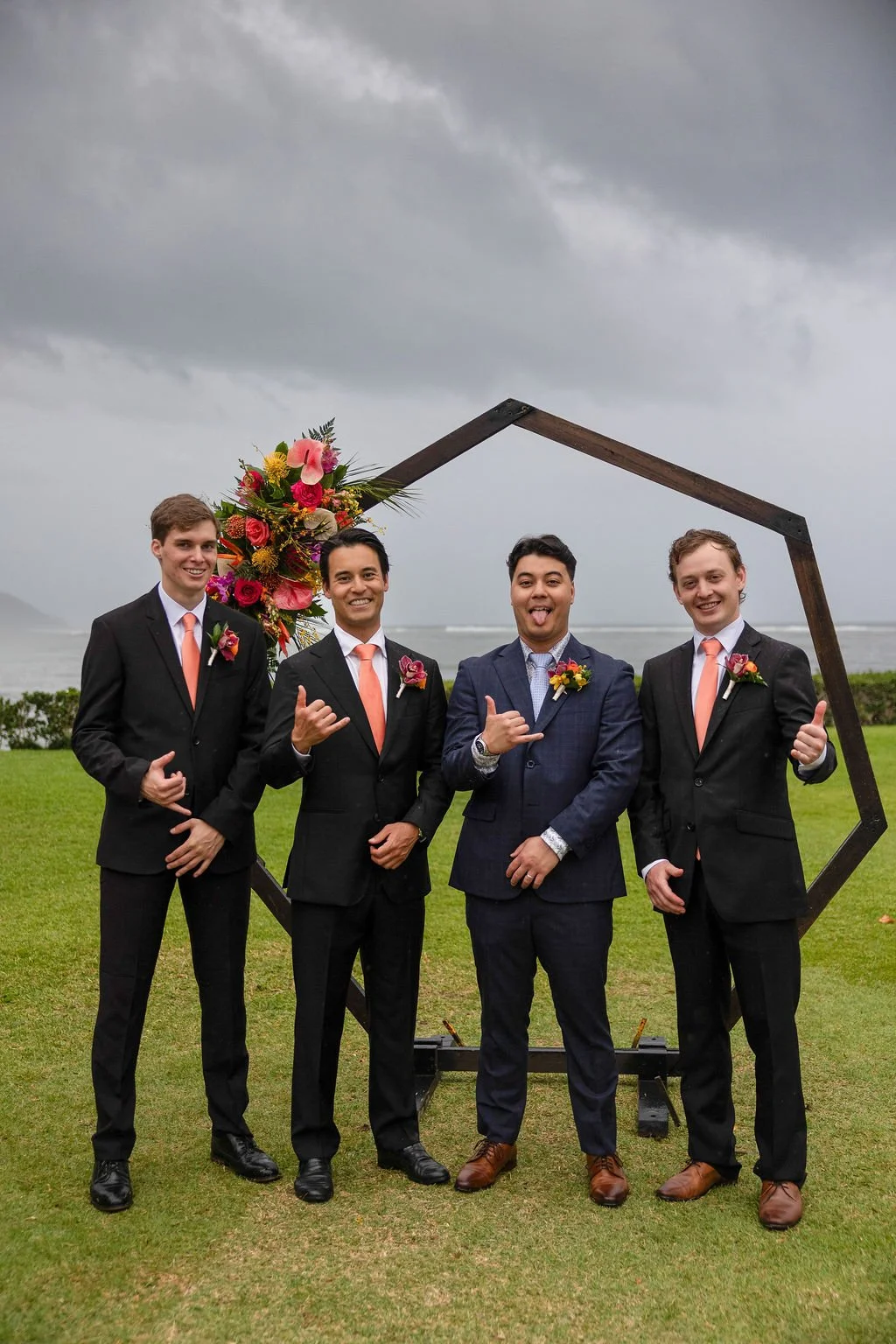
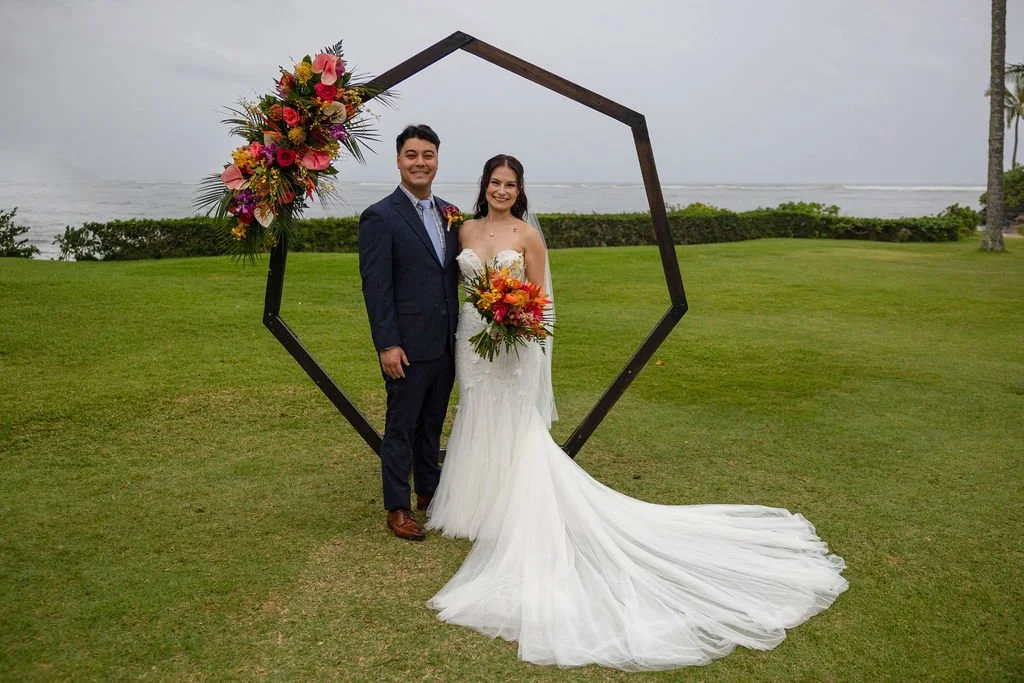
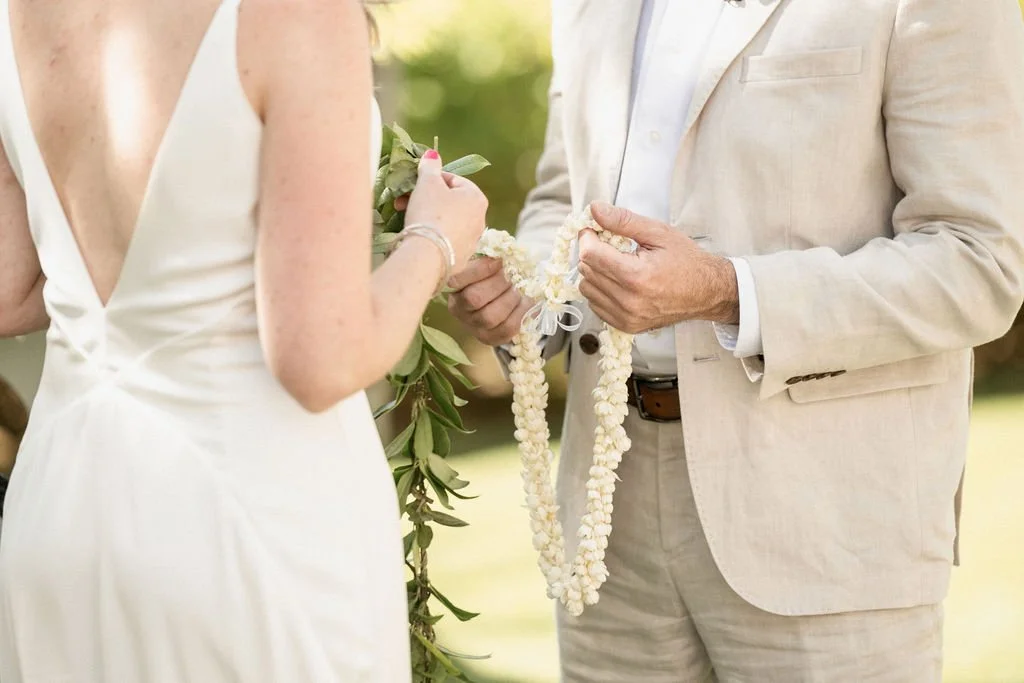
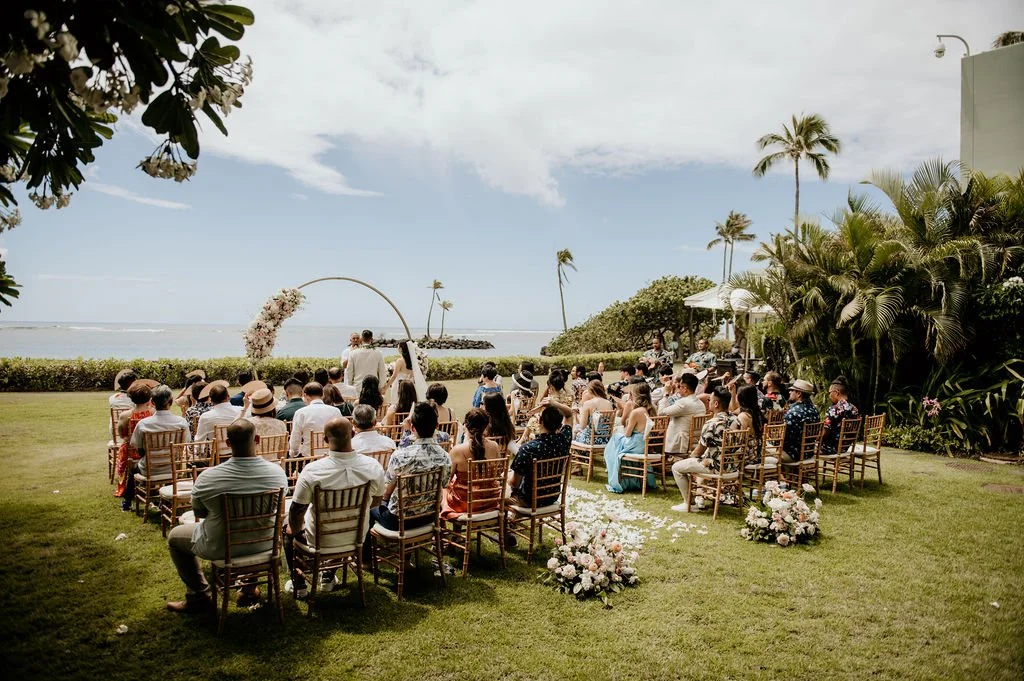
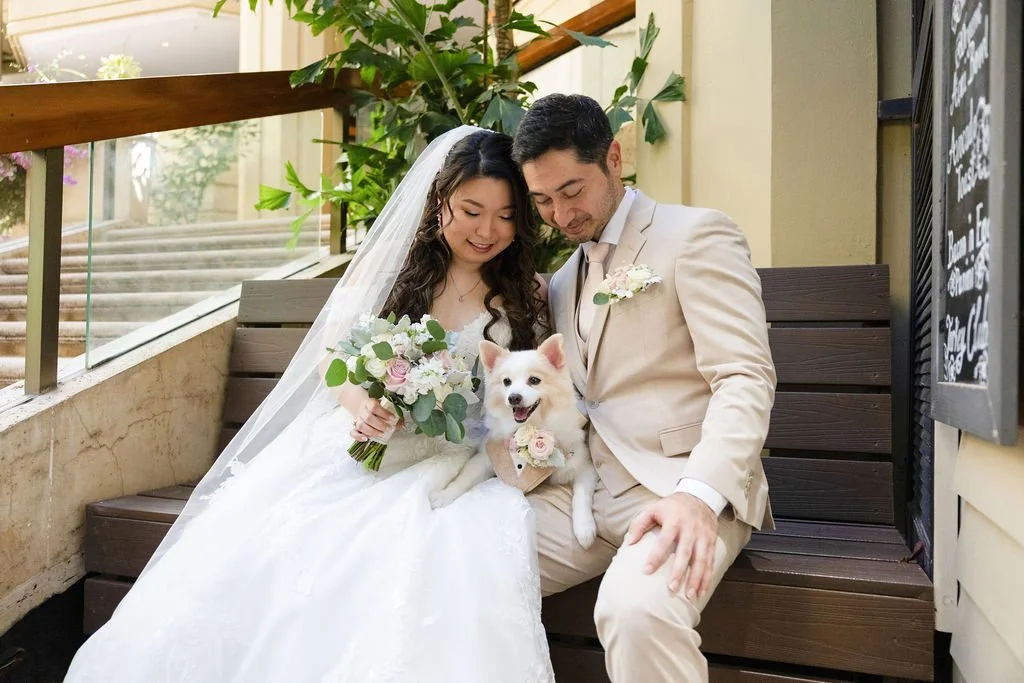
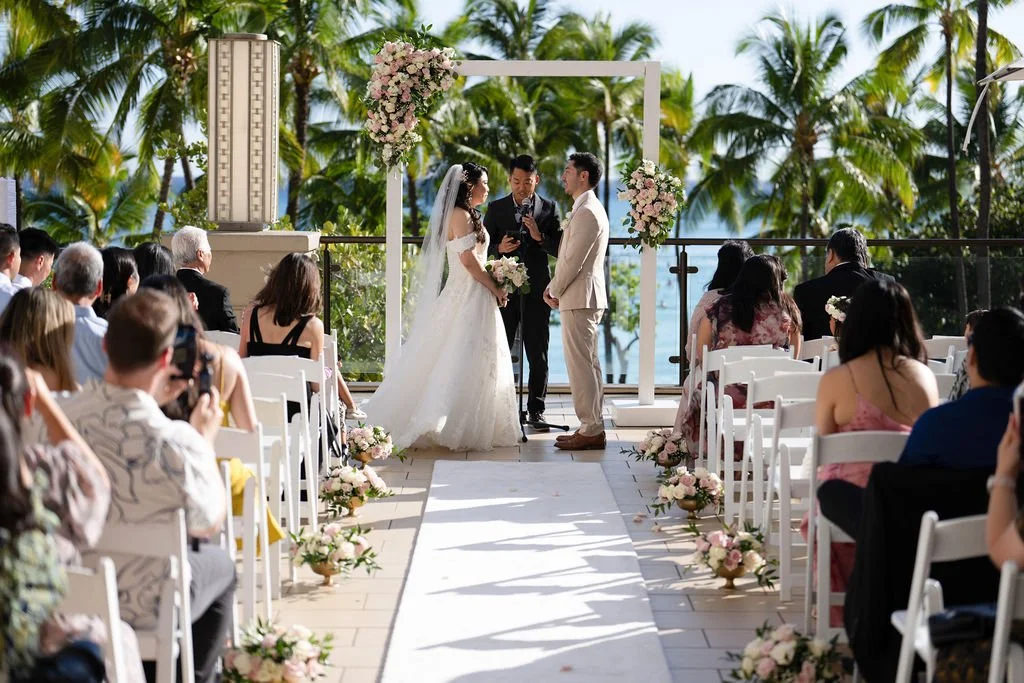
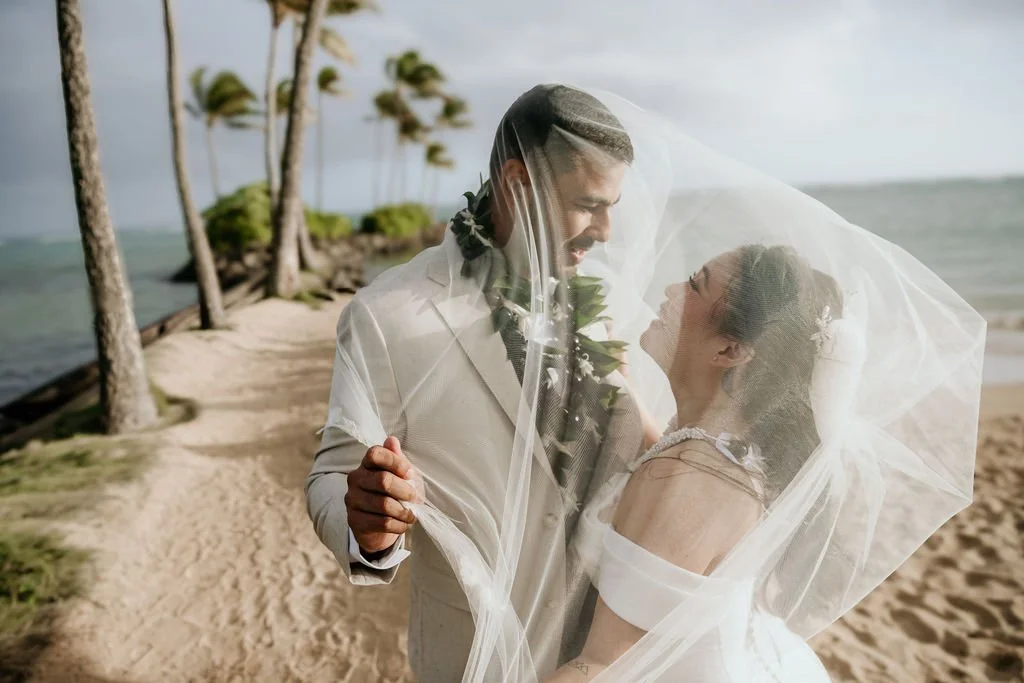
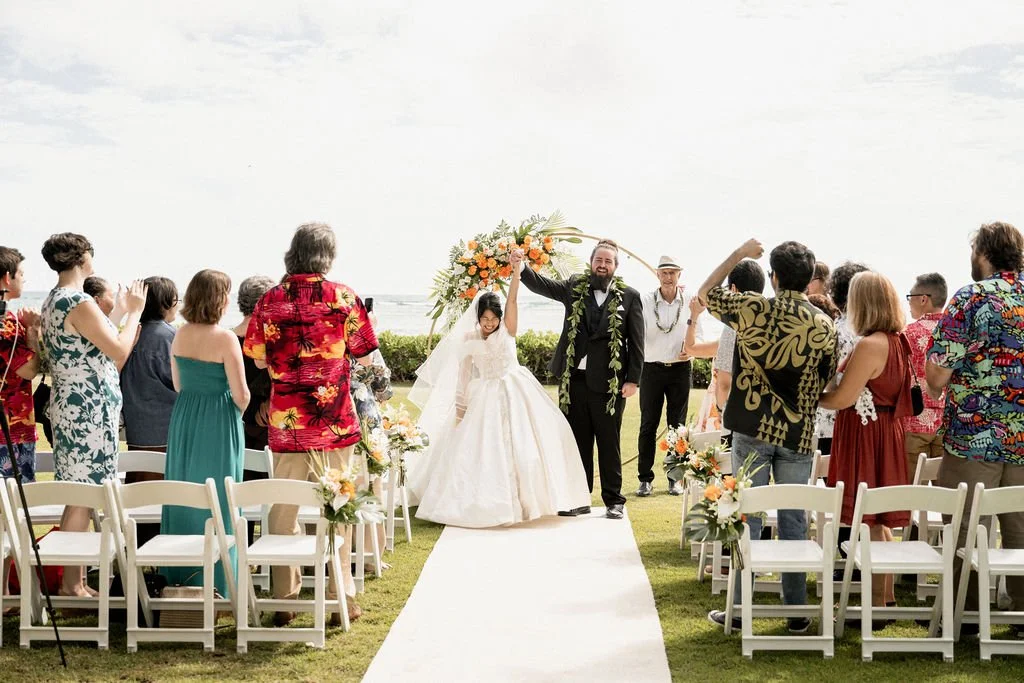
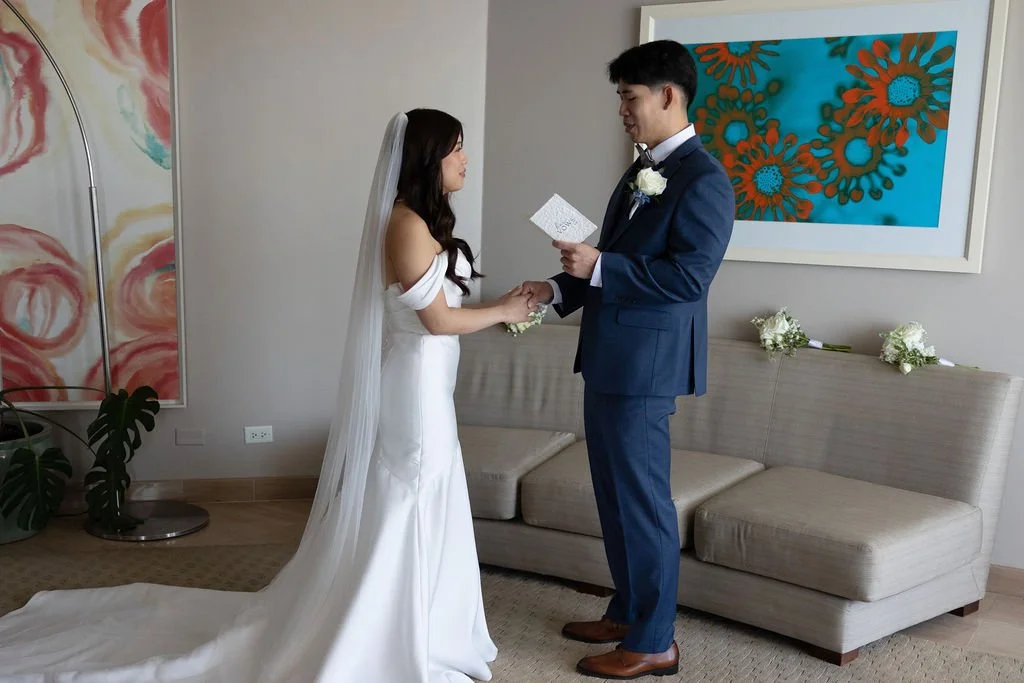
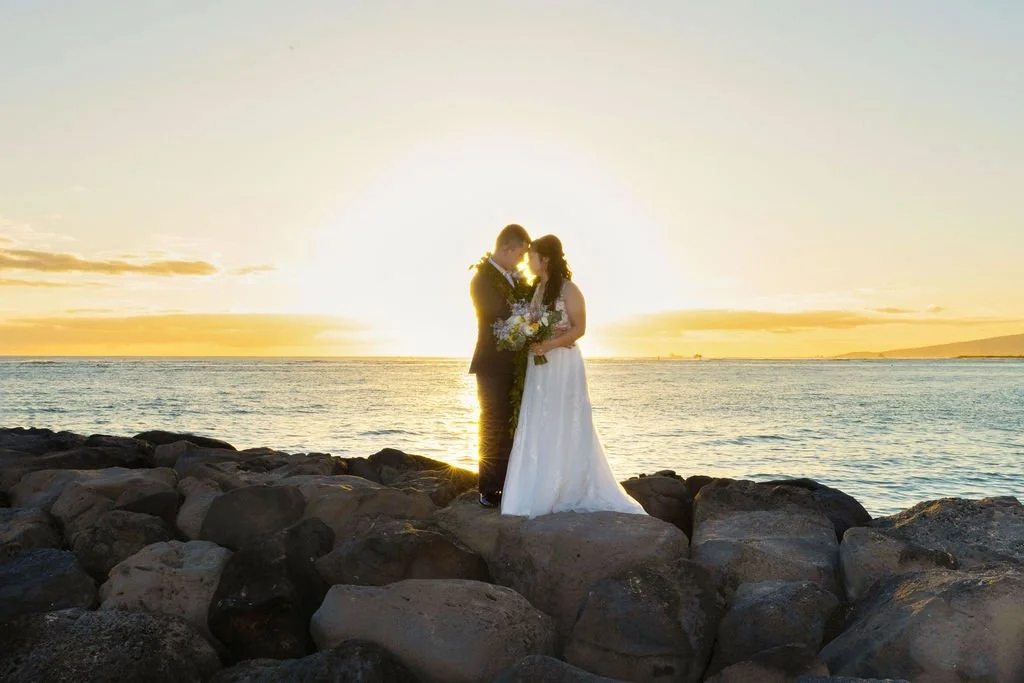
Photography: Visionari
2. Give Yourself Extra Time
Wedding days rarely go exactly according to plan—and that’s okay! Hair and makeup may take a little longer, someone may forget where they put the rings, or your photographer may want a few extra minutes for a beautiful photo.
Building some buffer time into your timeline gives you room to breathe when the unexpected happens!
A little extra time can be the difference between rushing from one moment to the next and actually enjoying the morning.
3. Let Someone Else Handle the Details
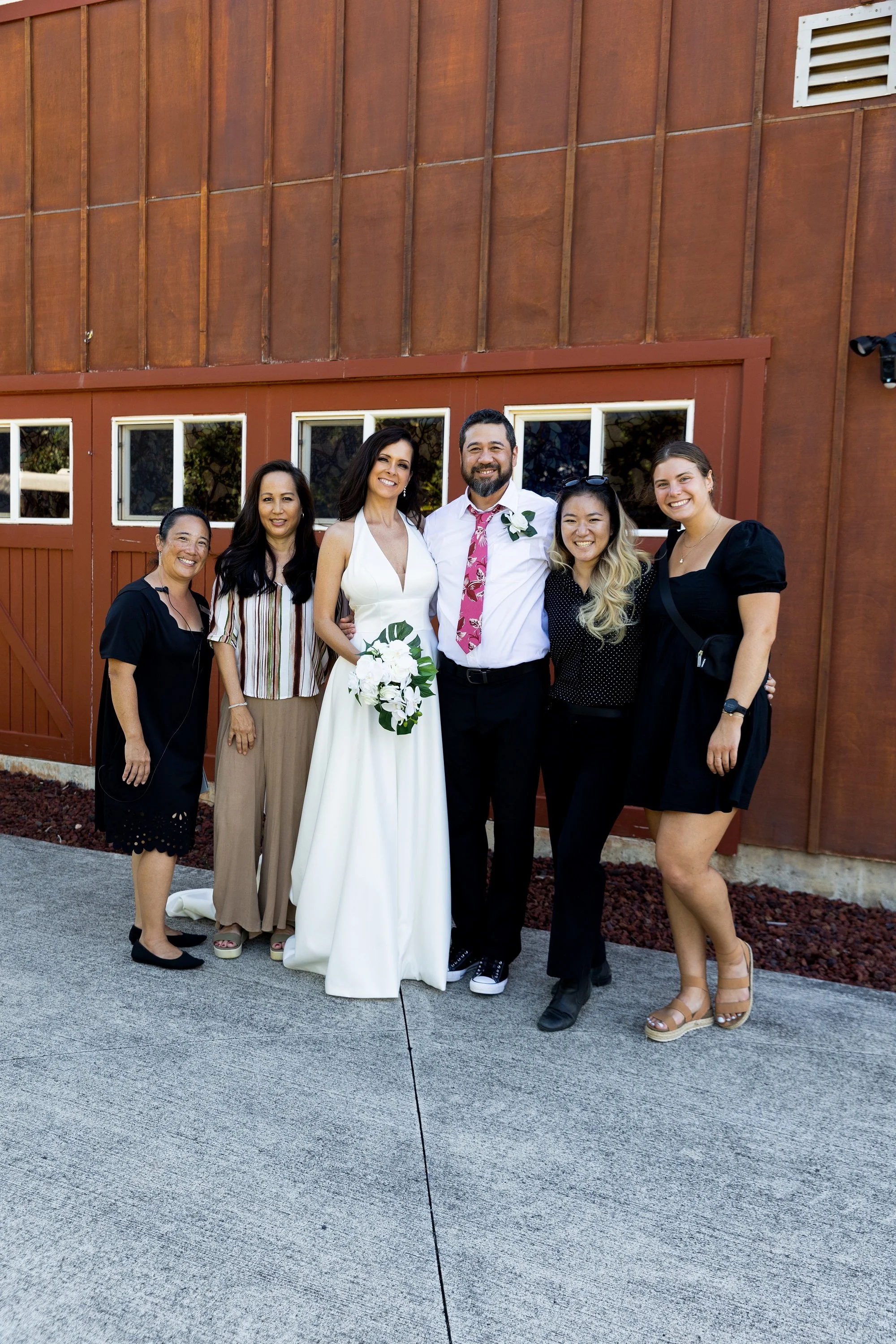
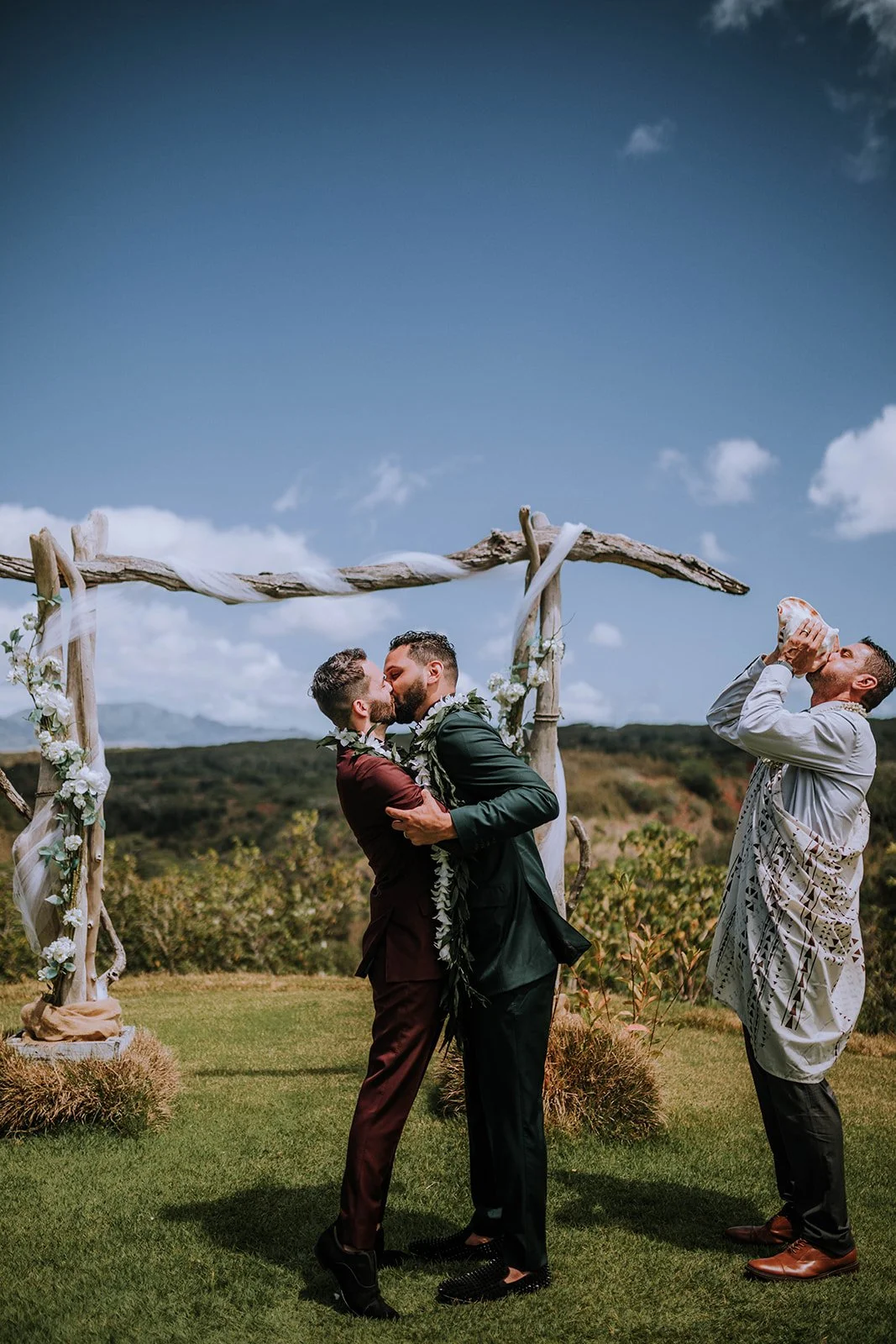
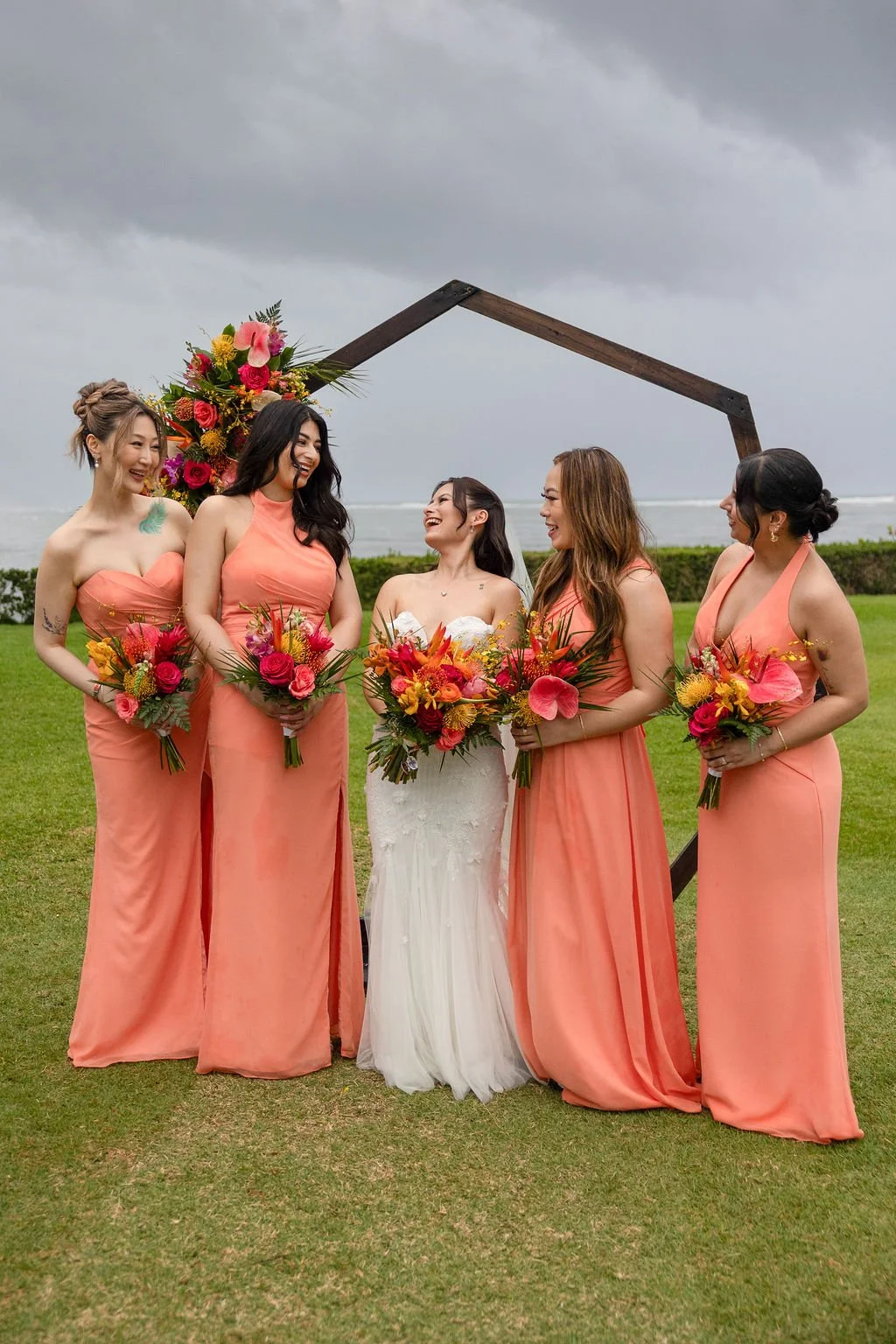
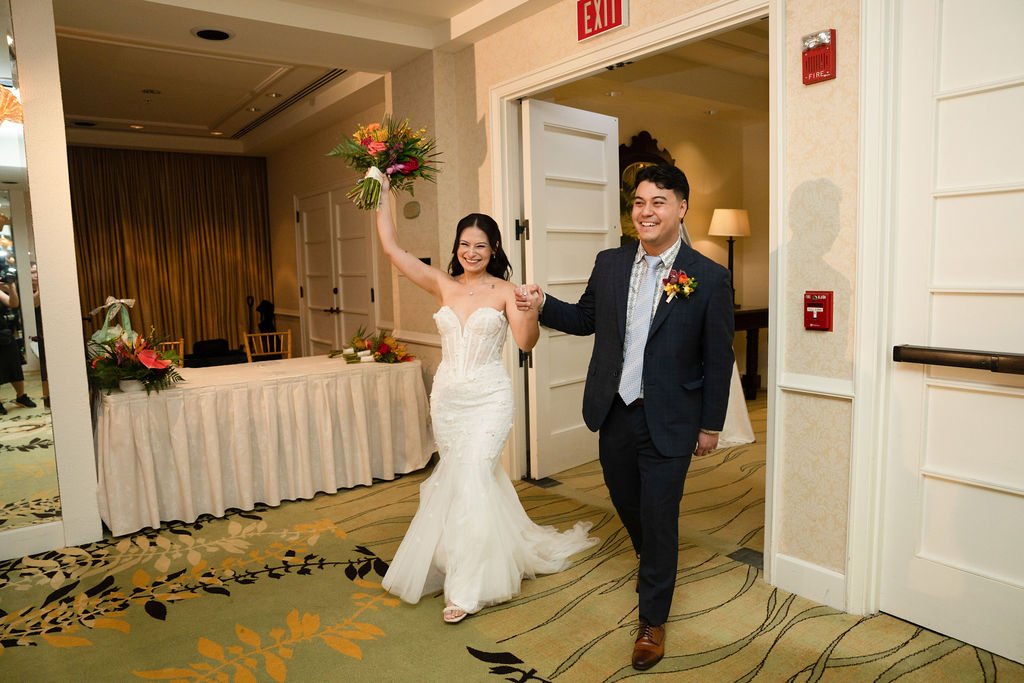
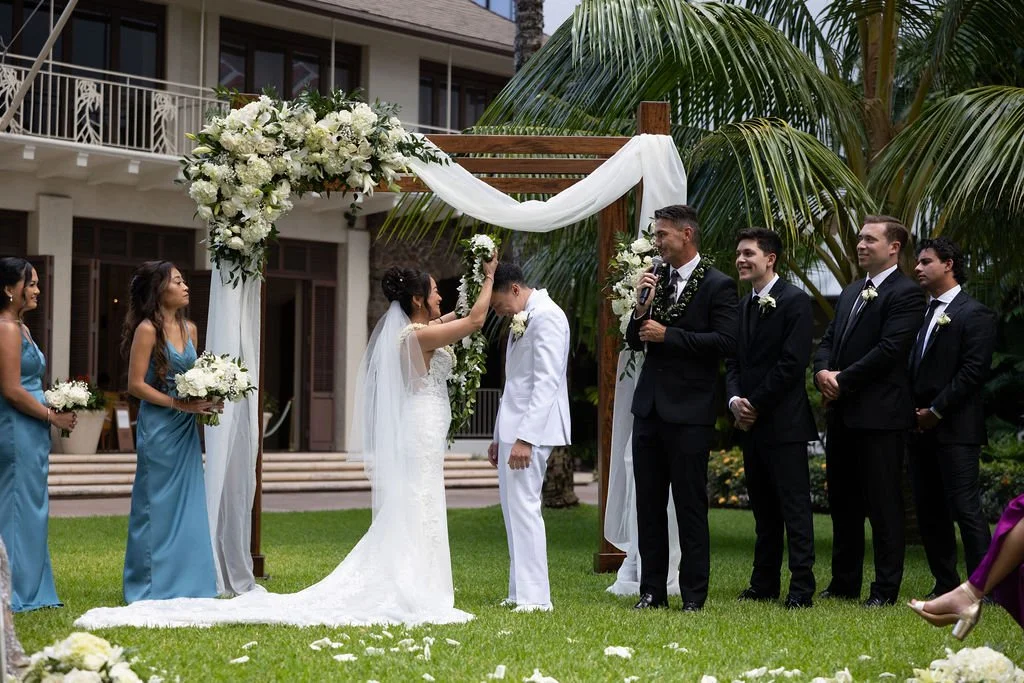
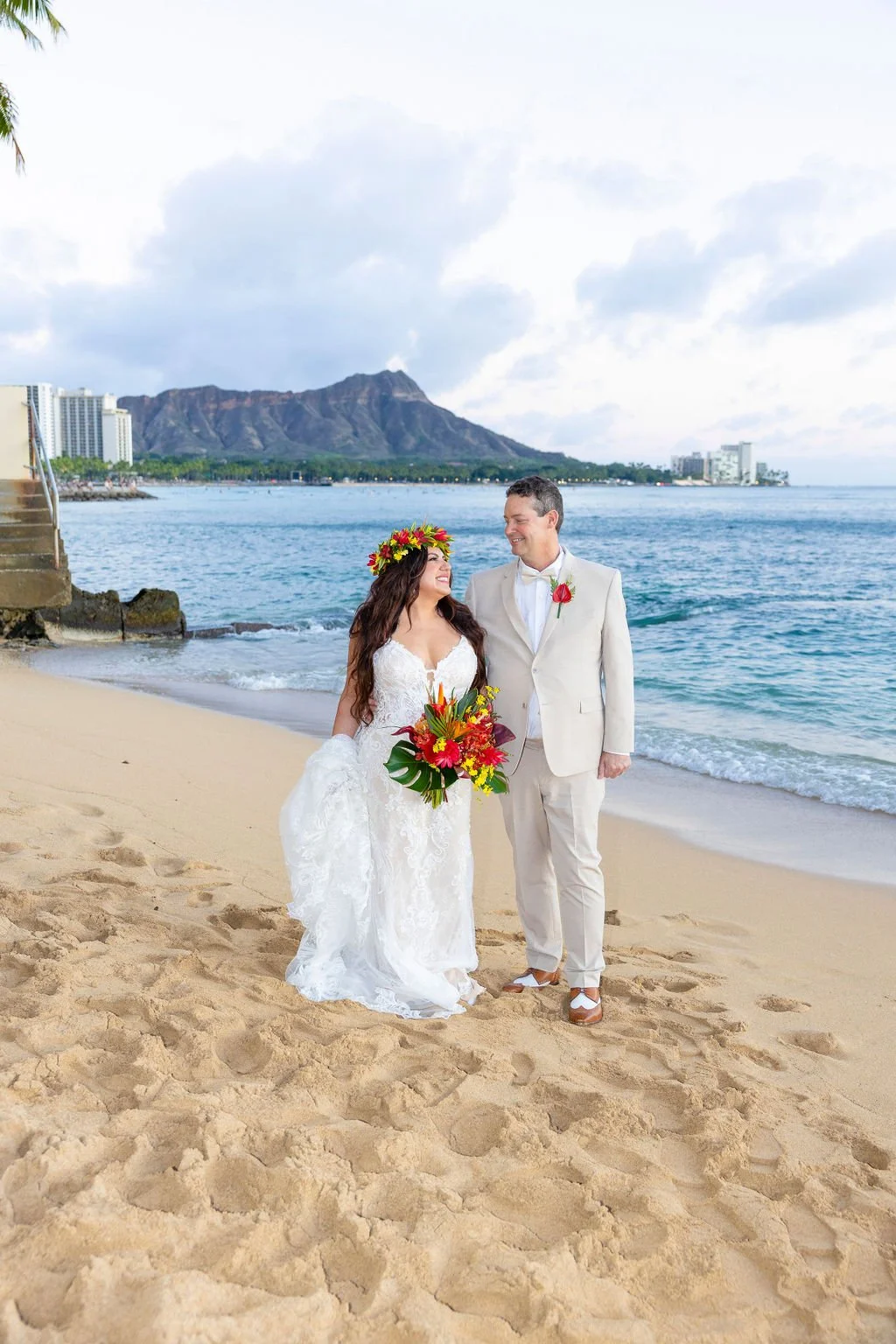
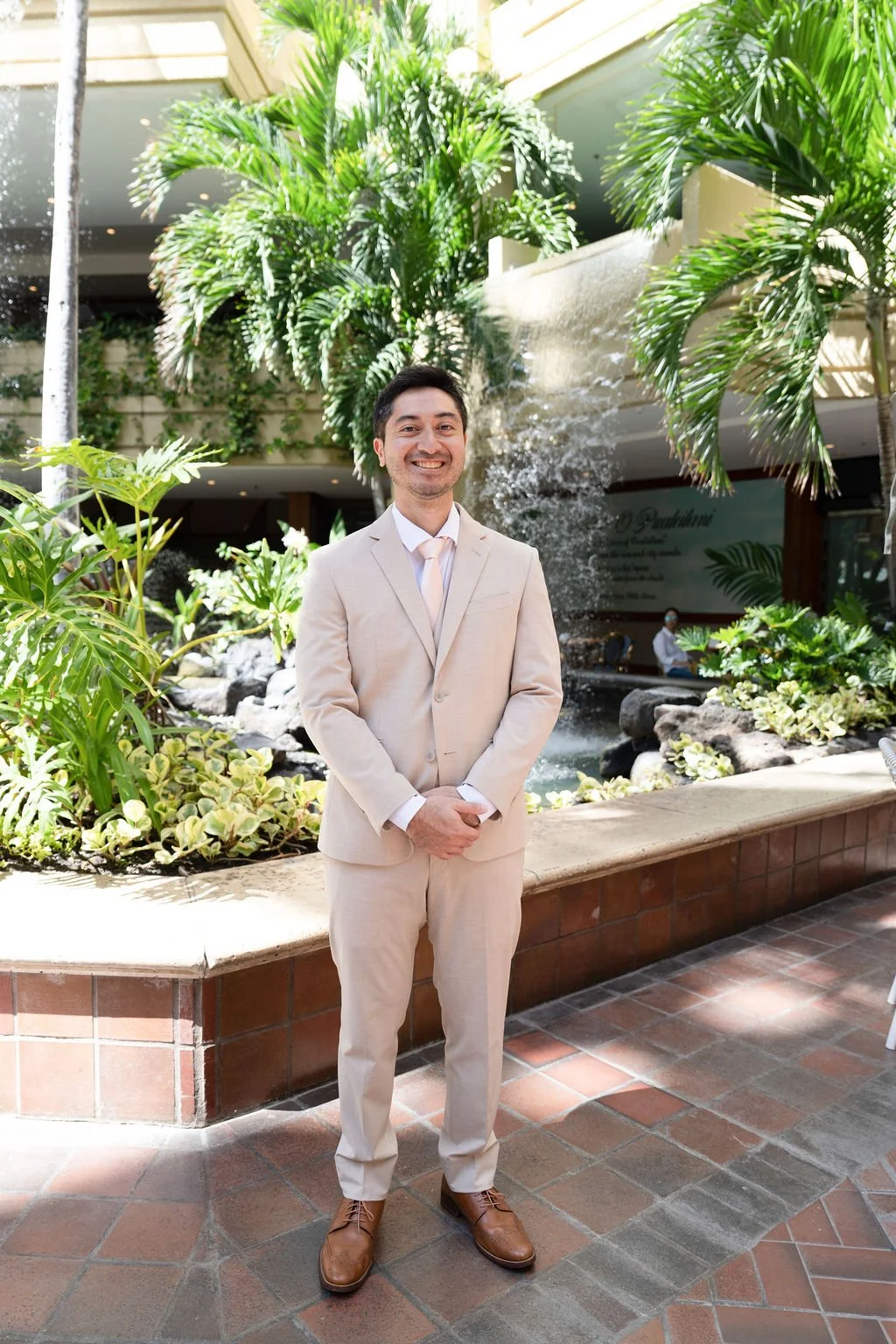
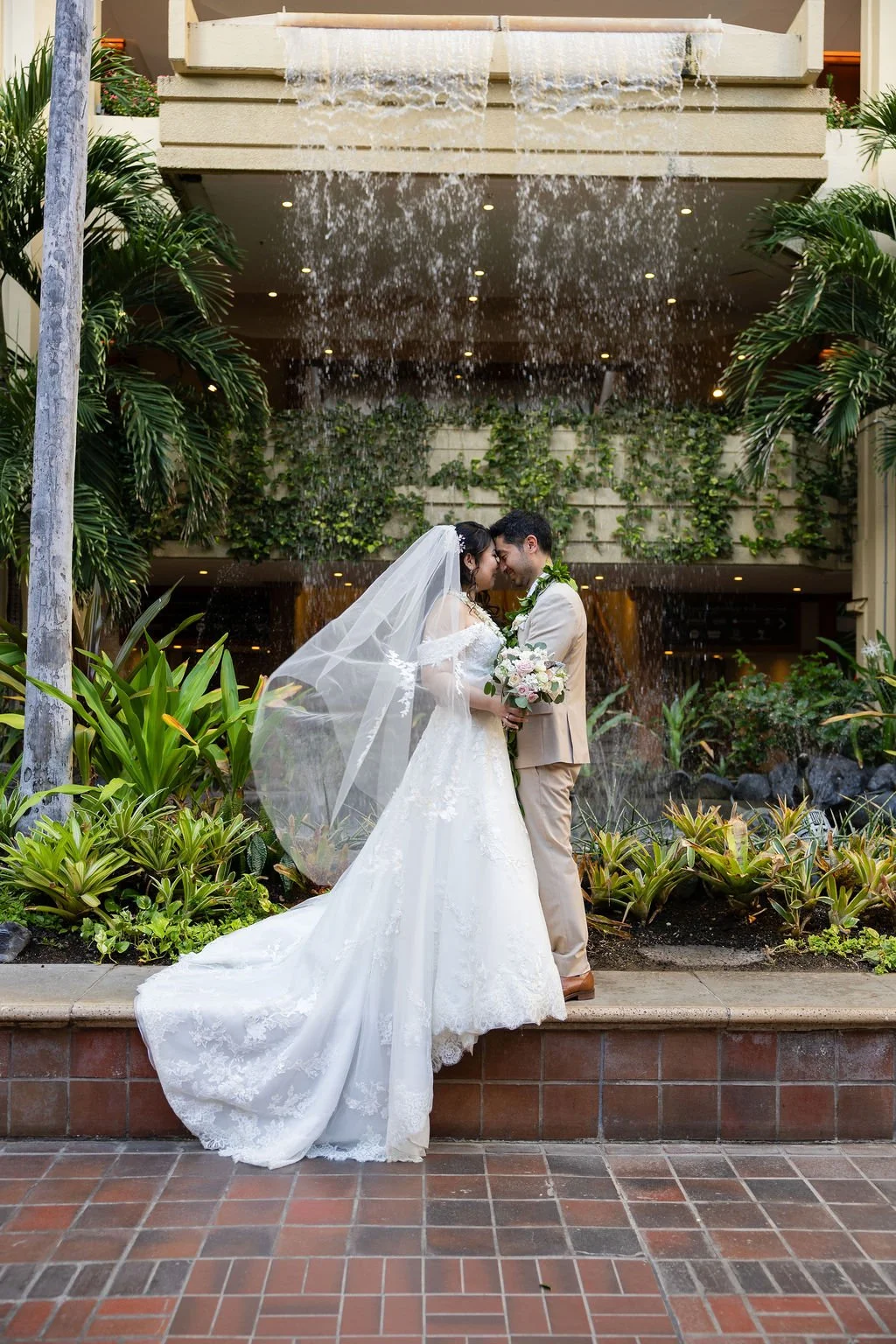
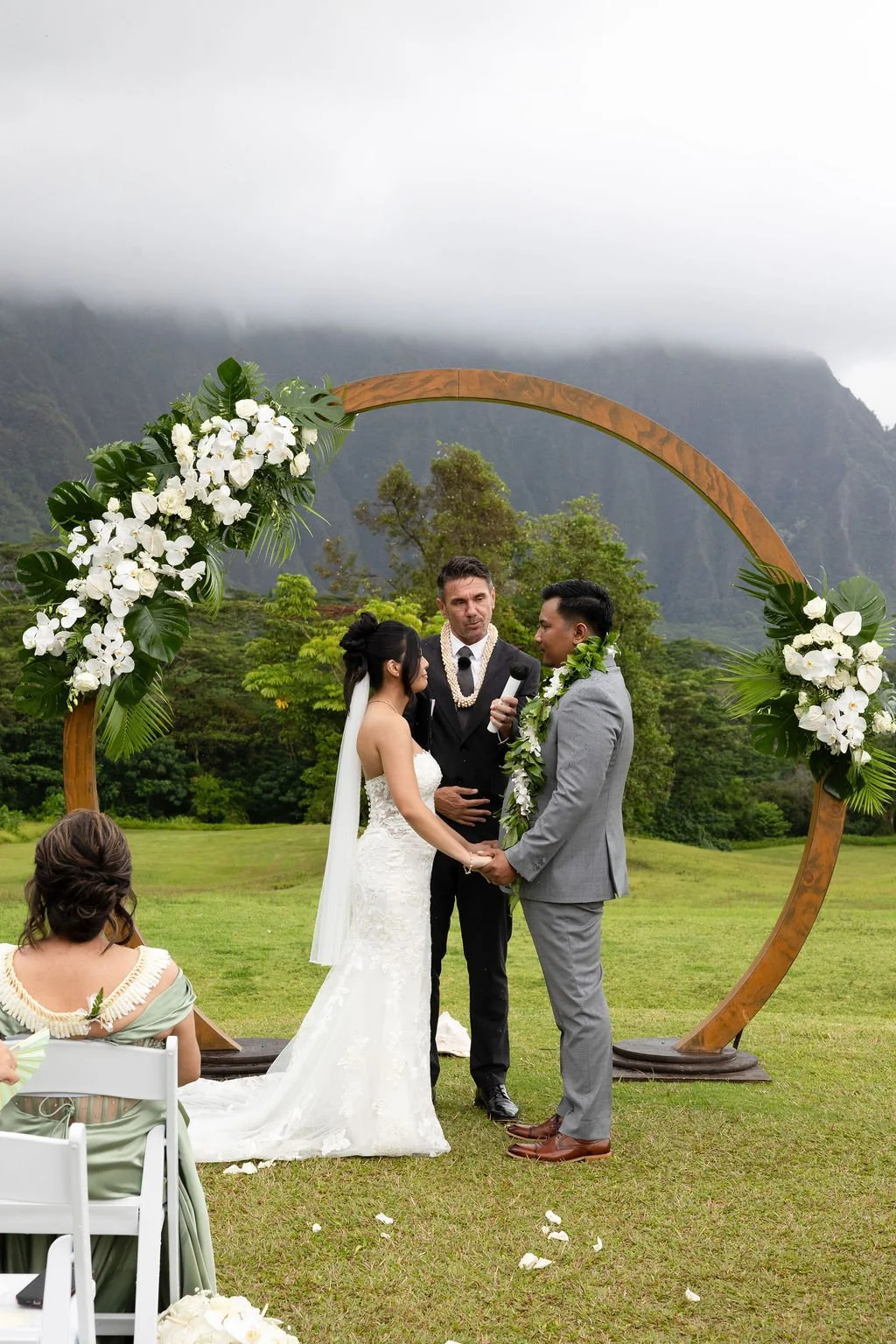
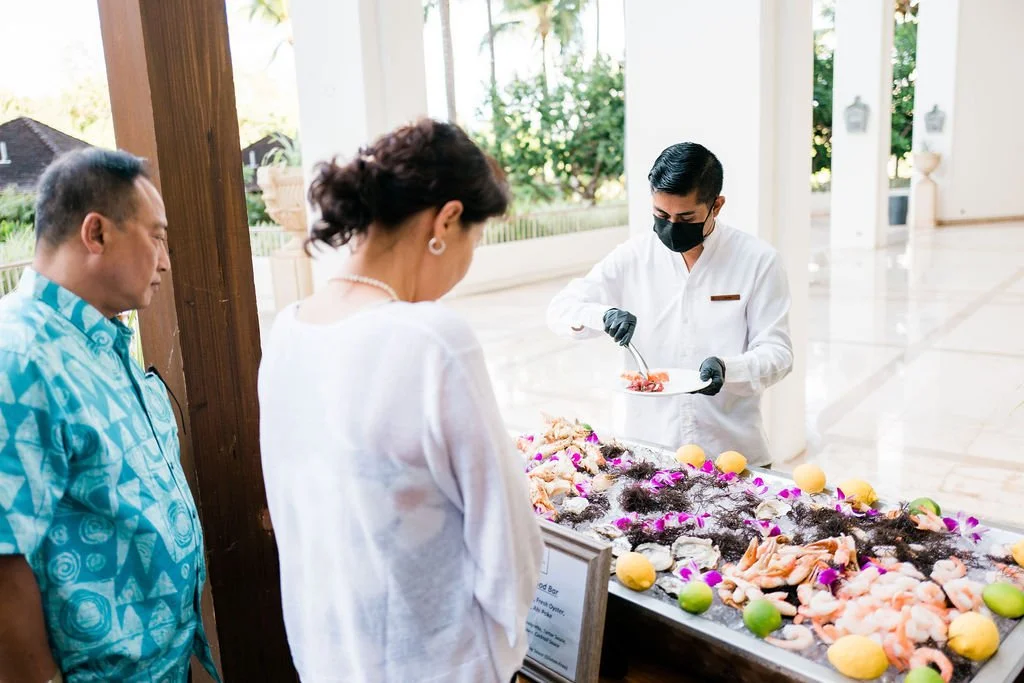
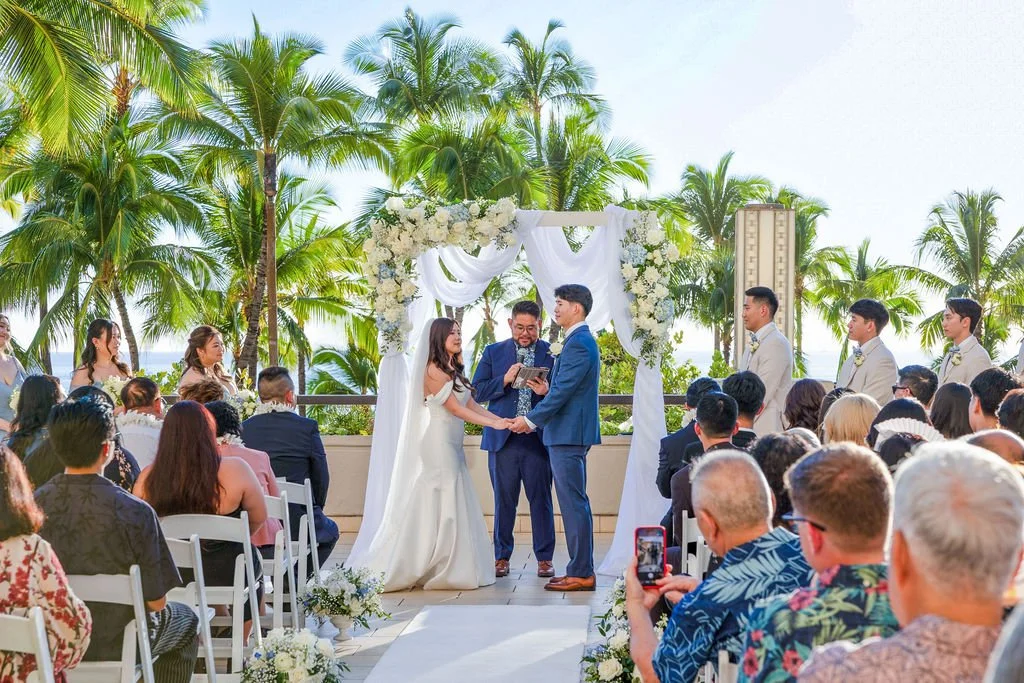
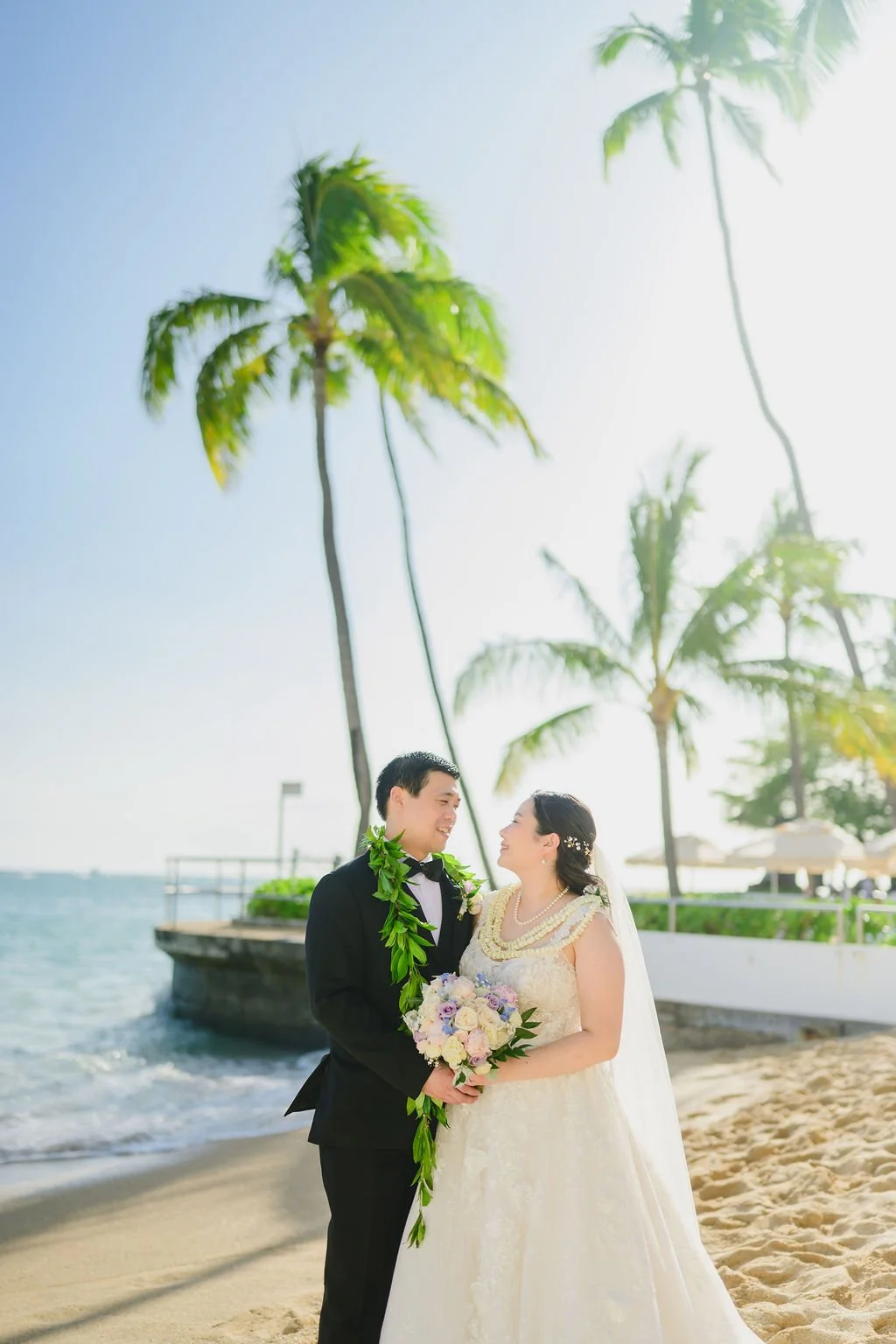
Photography: Bianca Photography
You’ve spent months making decisions. On your wedding day, you shouldn’t have to worry about whether the centerpieces arrived or whether the DJ knows when to play the entrance song.
That’s what your wedding coordinator, planner, and vendor team are there for!
Make sure your vendors have the information they need ahead of time and designate a point person for any last-minute questions. Then let your team take it from there!
4. Keep Your Details Together
Your wedding day is filled with little details you’ll want photographed: invitations, rings, shoes, jewelry, perfume, vow books, heirlooms, and other sentimental items.
Gather everything together in one place before your photographer arrives. This makes it easier for them to capture those beautiful detail shots without having to search the room for everything!
It also means one less thing for you to think about while you’re getting ready.
5. Build in Time to Actually Enjoy Your Partner
With so much happening around you, it can be surprisingly easy to go hours without having a quiet moment with your new spouse.
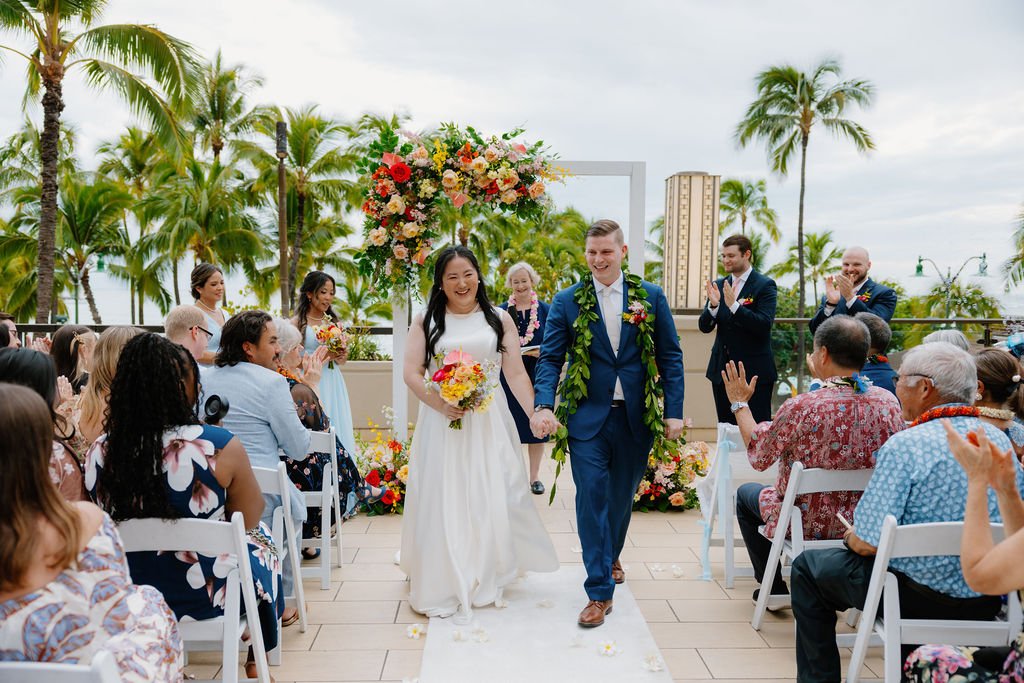
Consider setting aside a few minutes after your ceremony or during your reception to step away from the crowd and simply be together. Take a walk, enjoy a private toast, or just pause and take in the fact that you’re married!
Those quiet moments can become some of your favorite memories from the entire day.
6. Don’t Stress About the Little Things
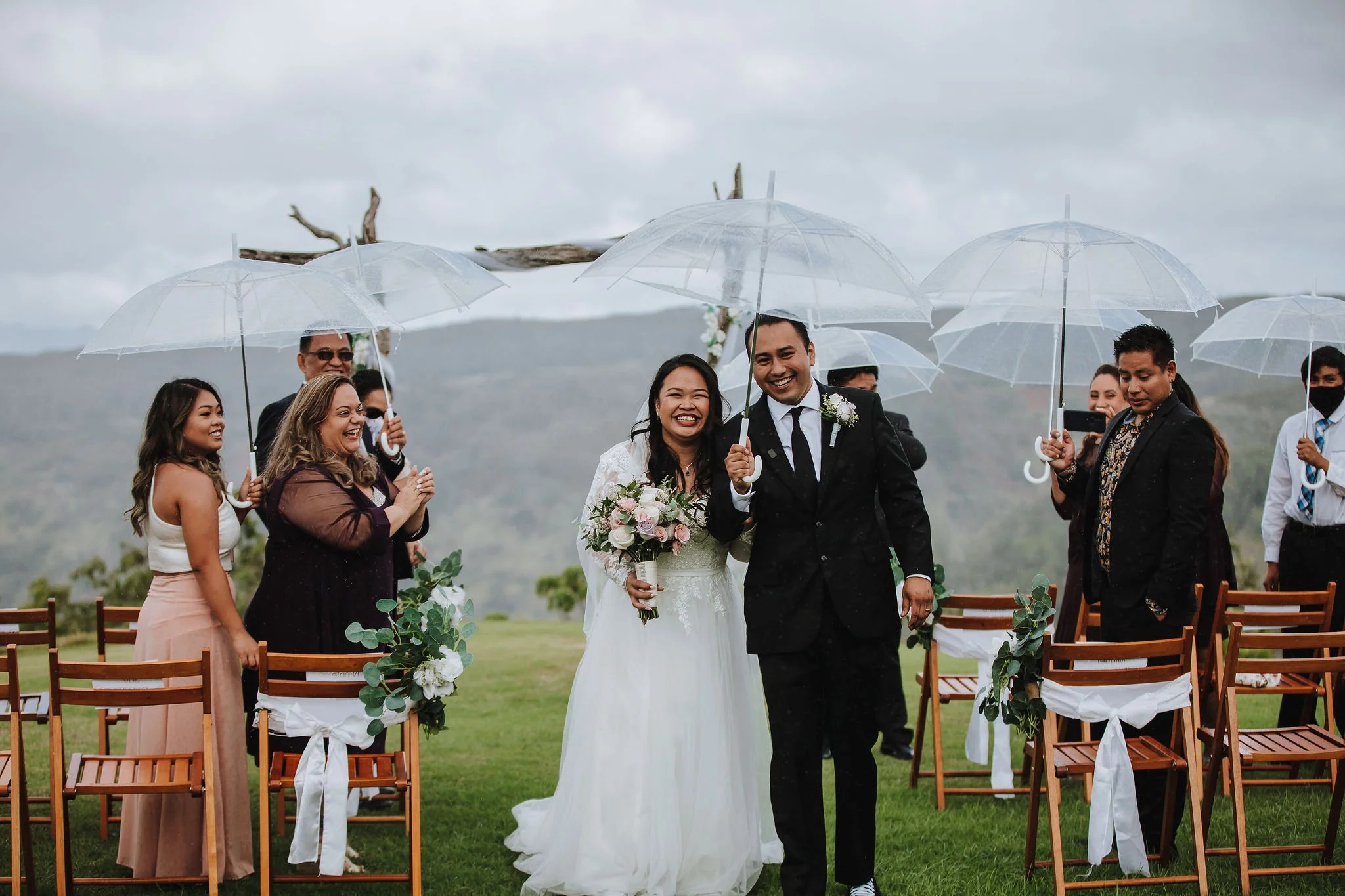
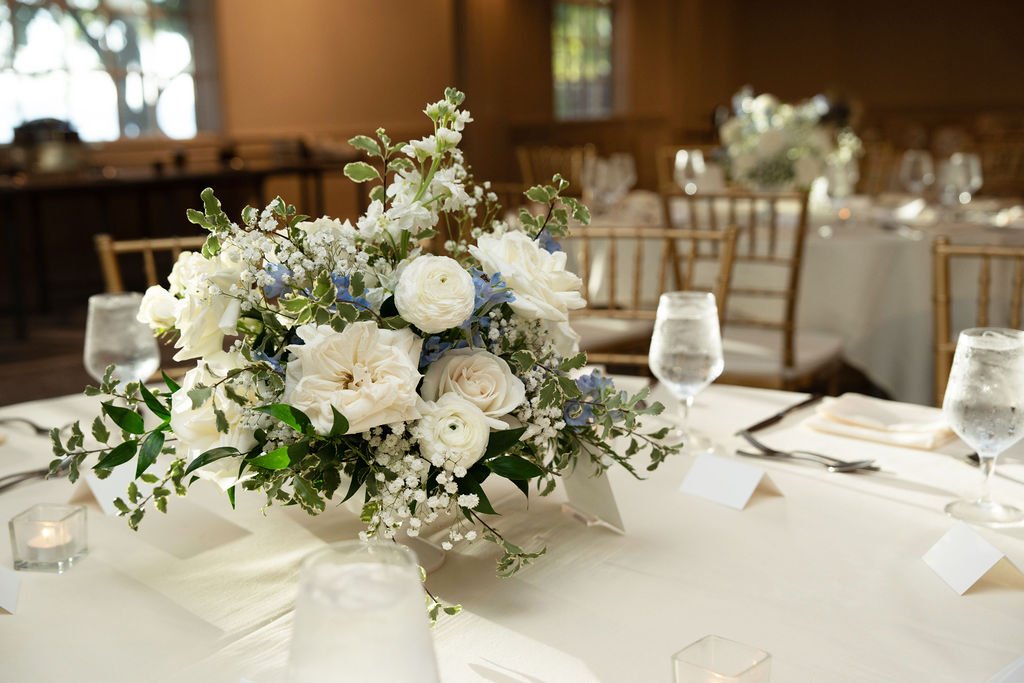
Something will probably go differently than you imagined. Maybe the flowers aren't arranged exactly how you pictured them, a guest is running late, or the weather decides to make an appearance.
Take a breath.
Your guests probably won’t notice the tiny details that are stressing you out—and years from now, those little imperfections are unlikely to be what you remember.
Focus on the people, the emotions, and the reason you’re celebrating in the first place!
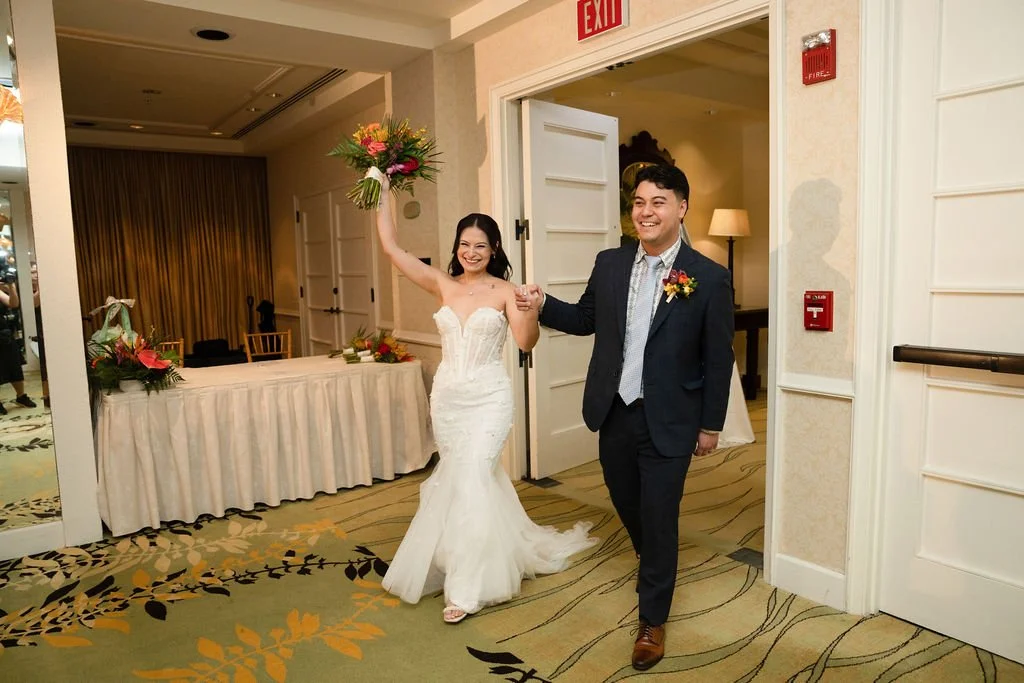
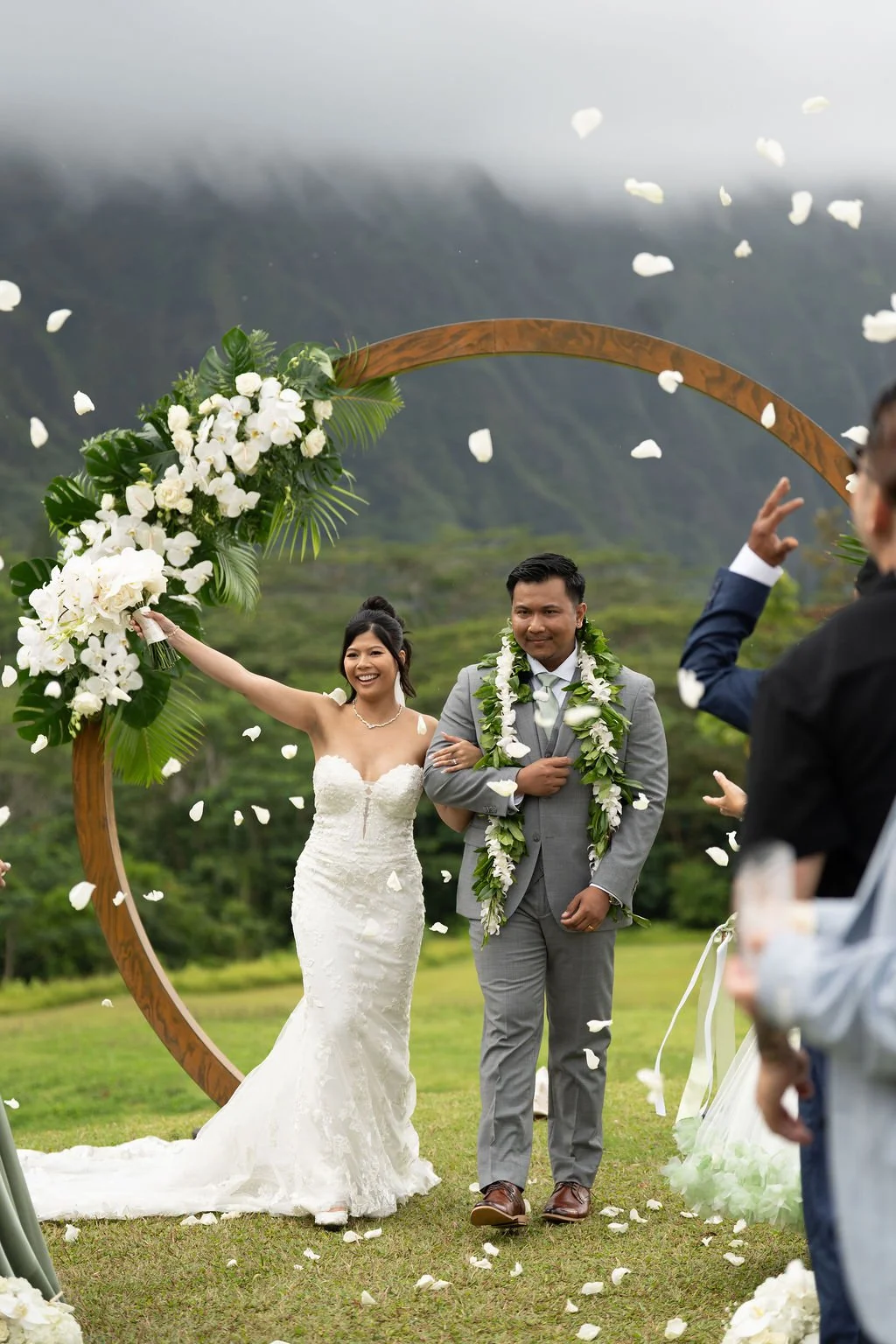
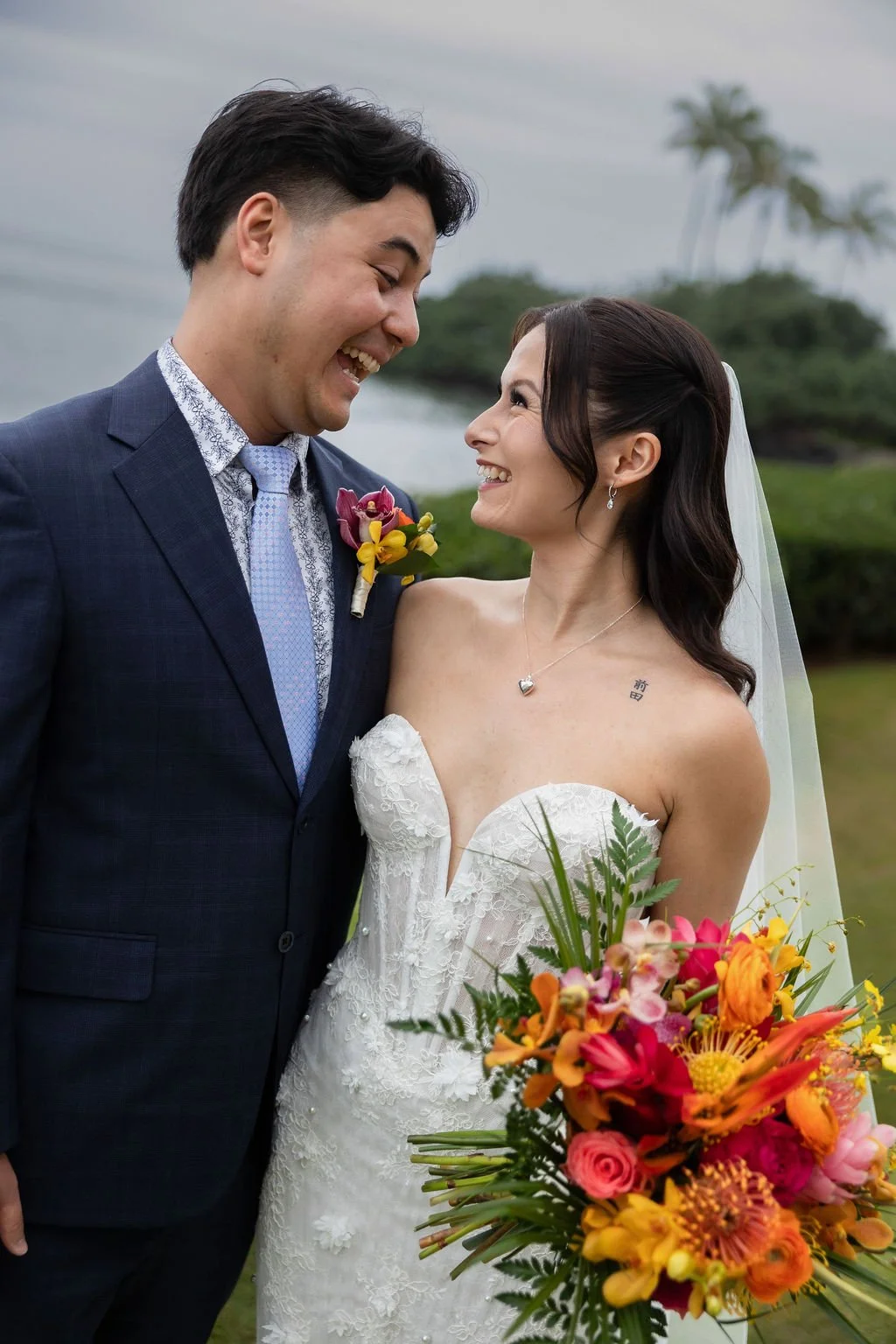
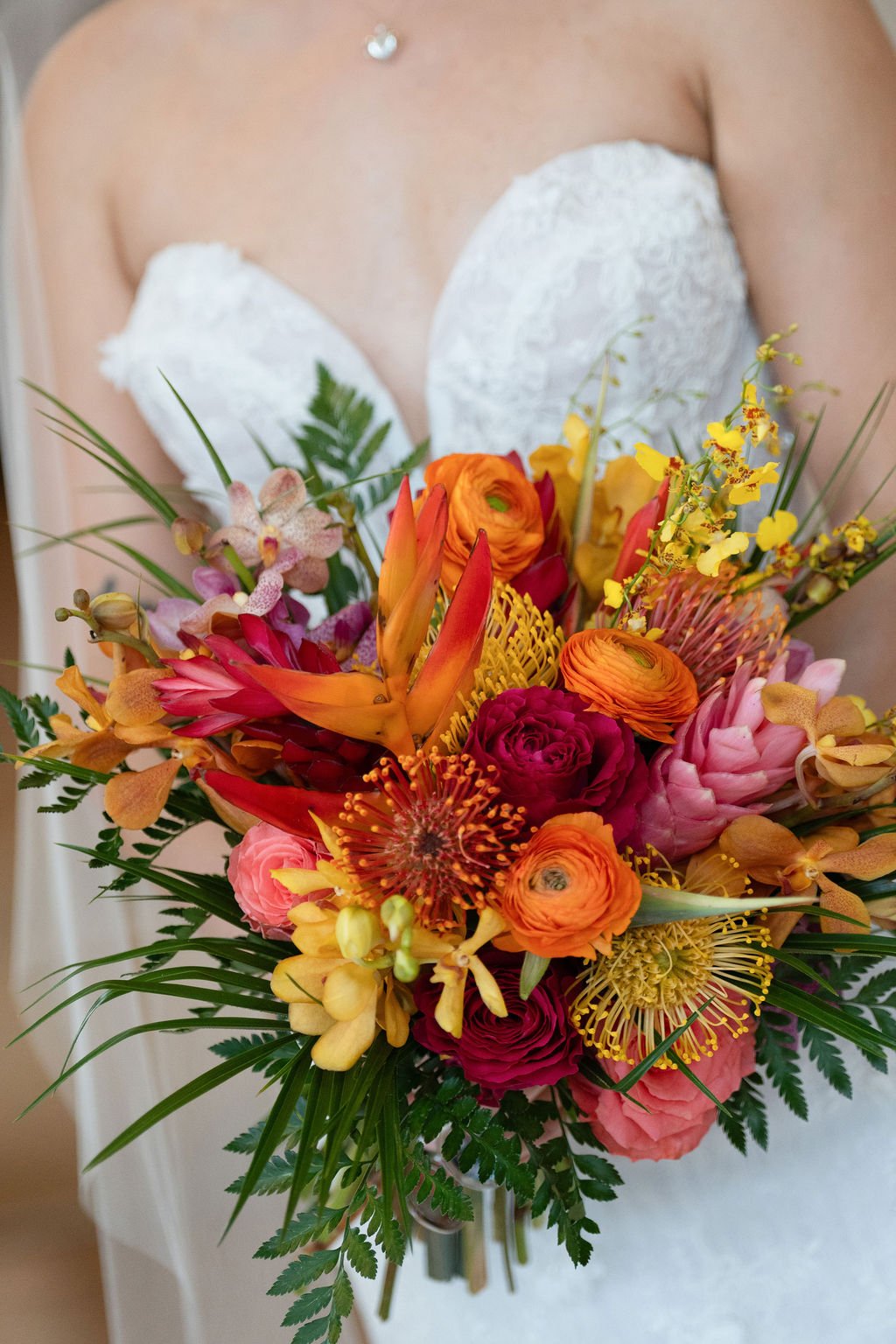
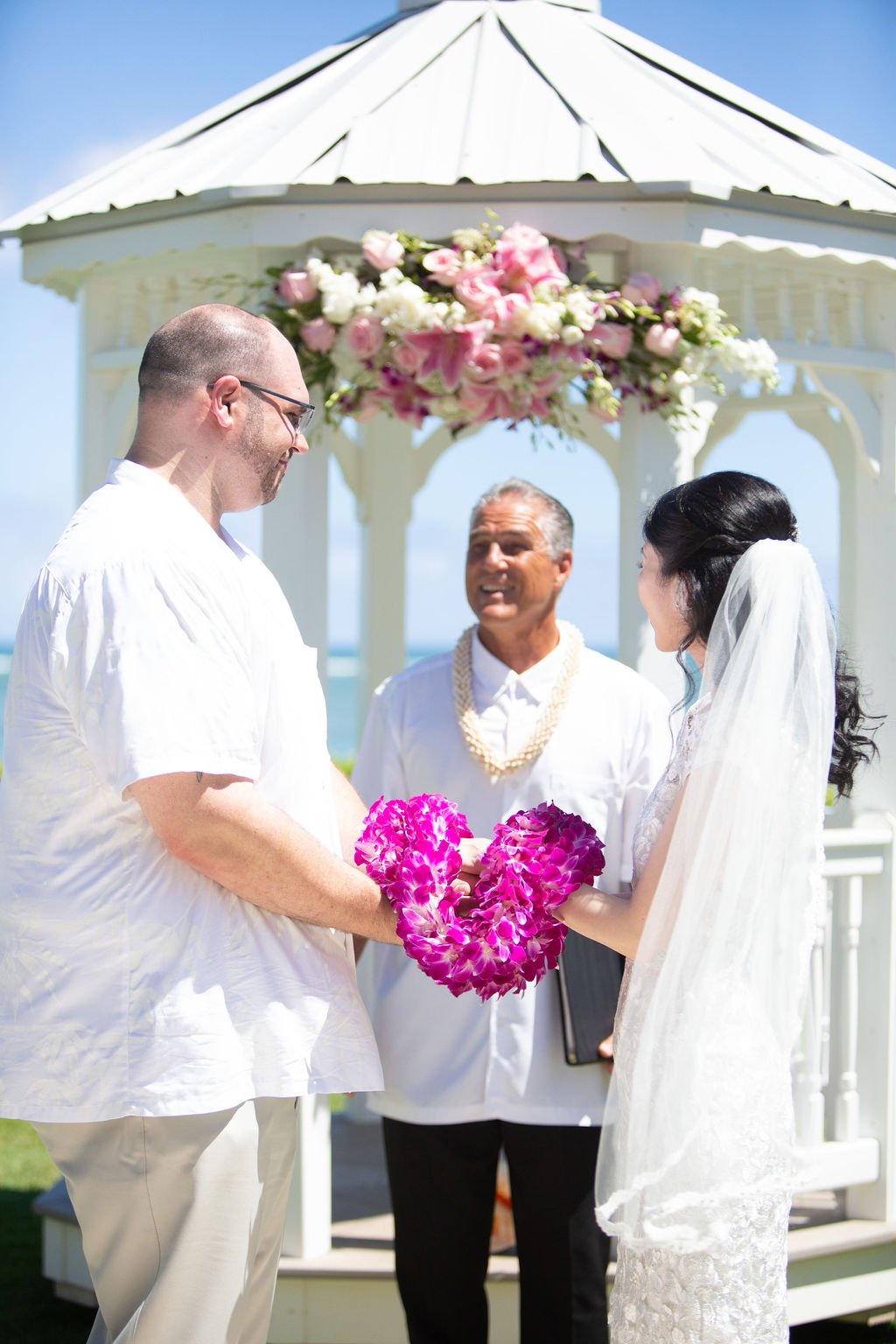
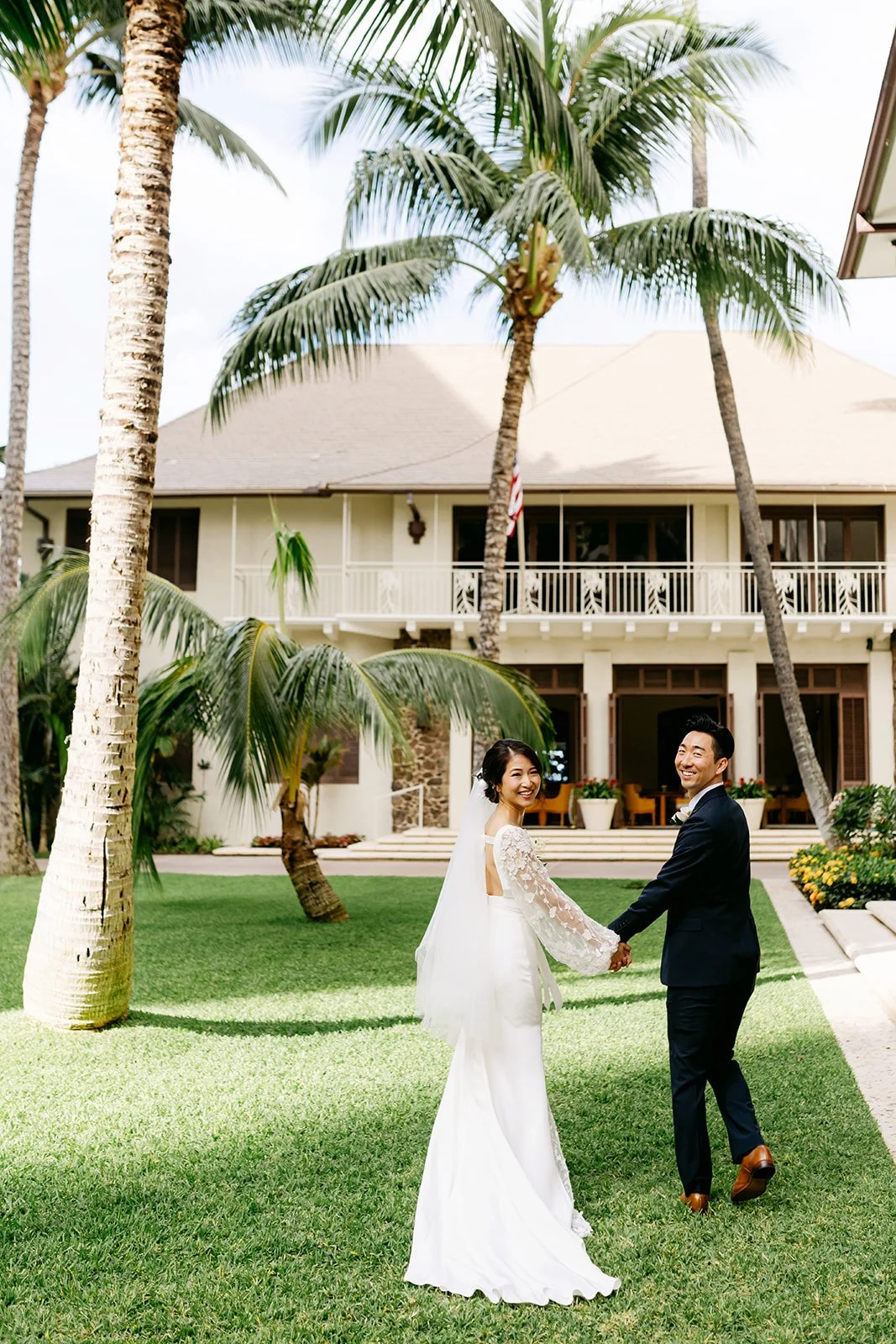
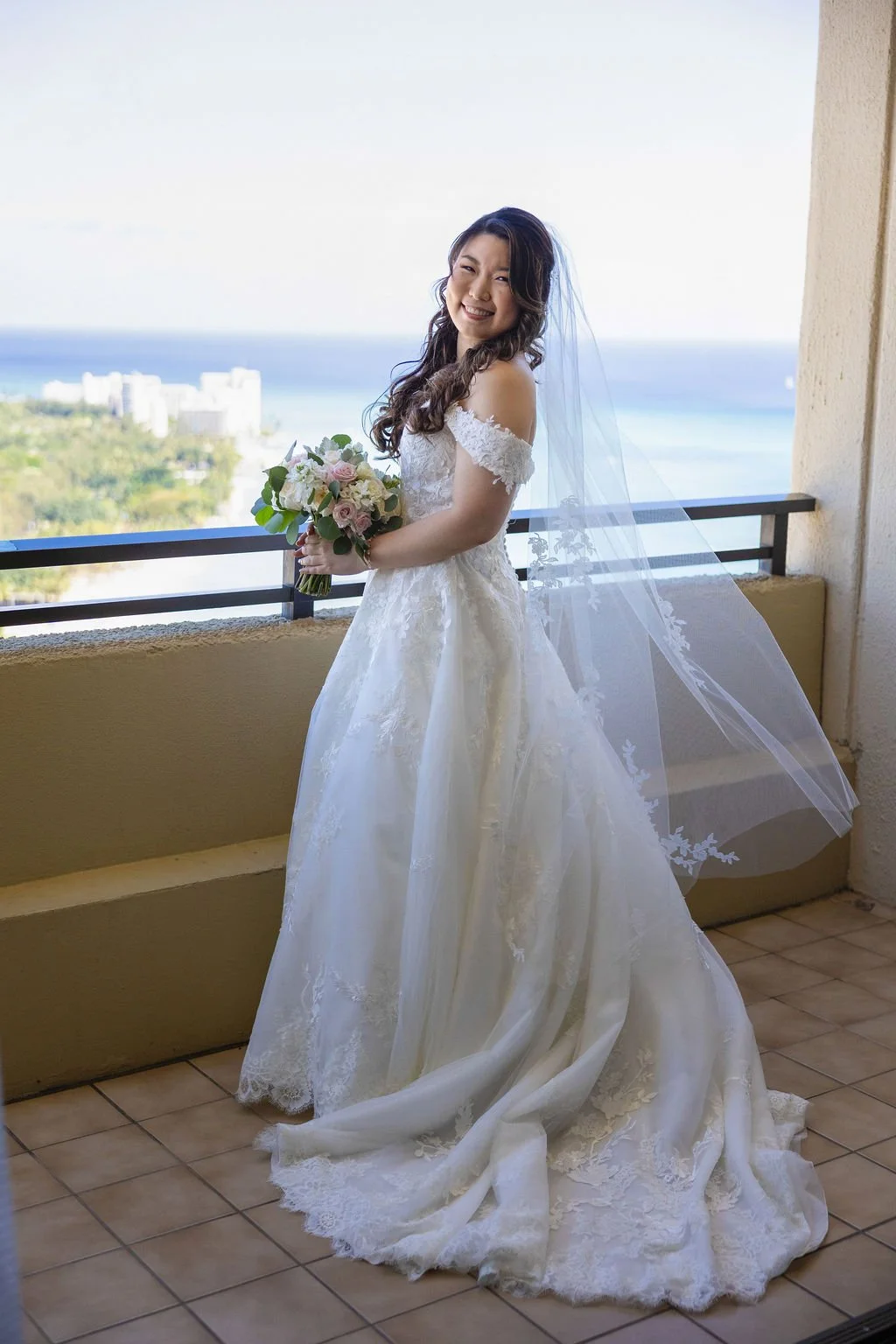
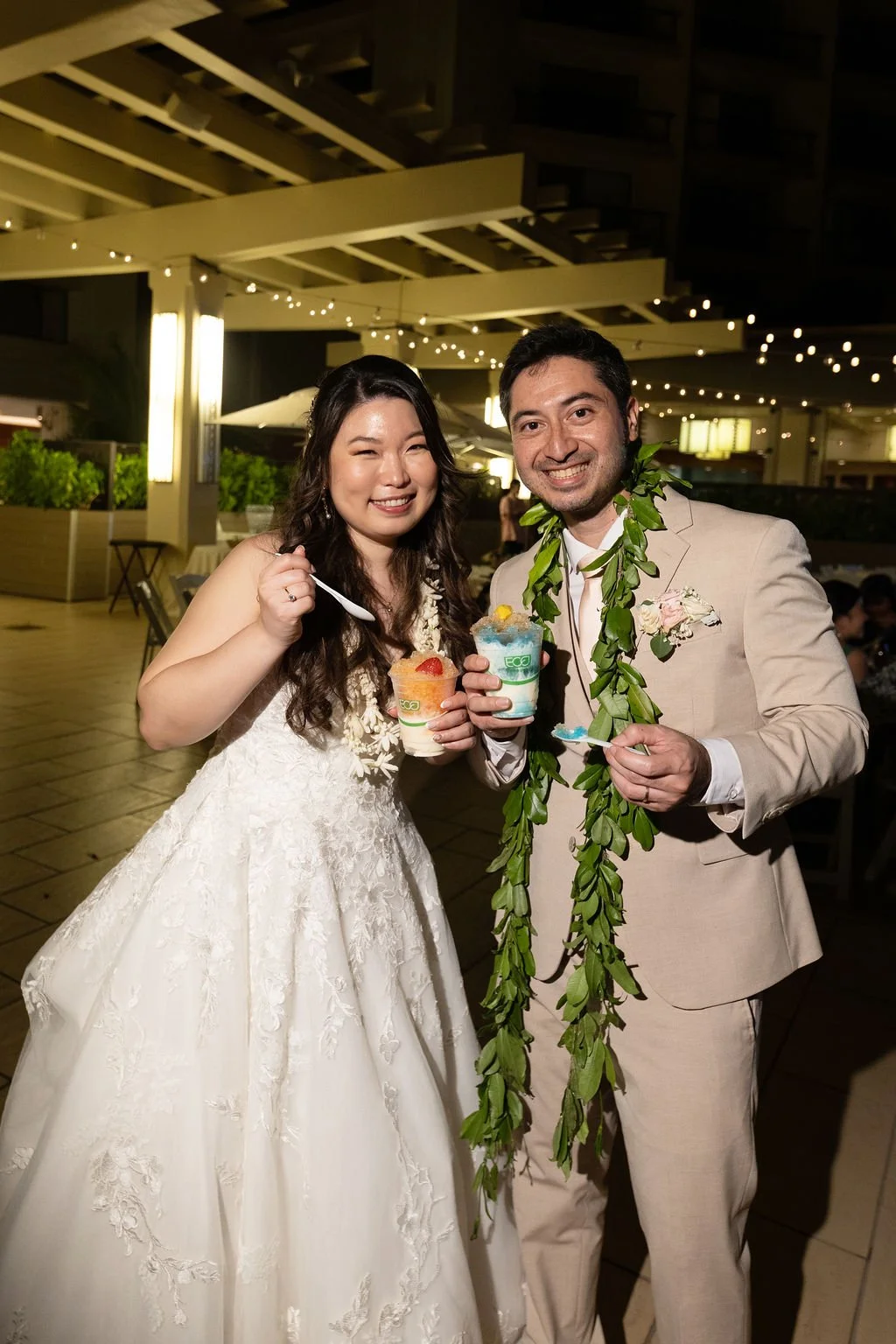
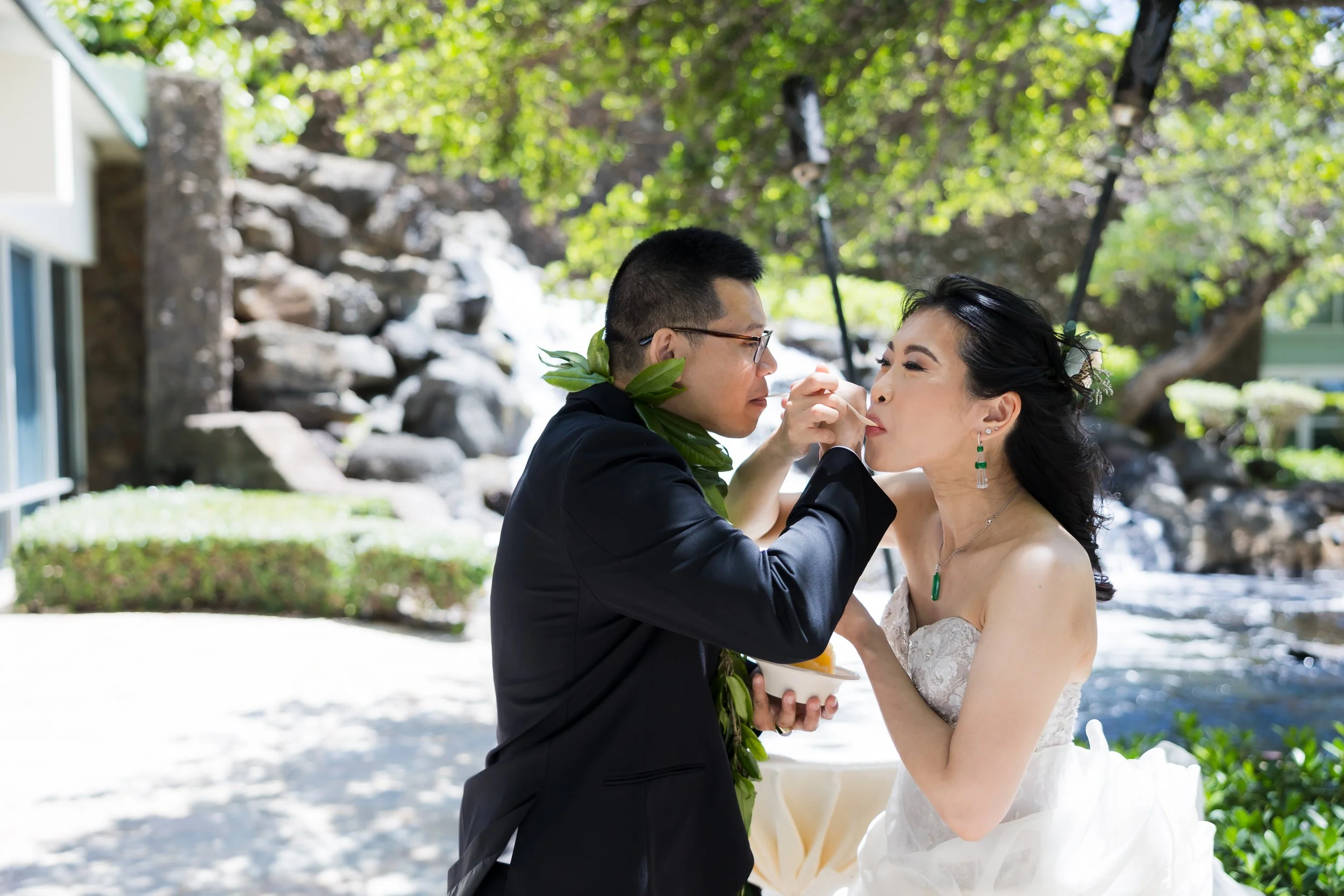
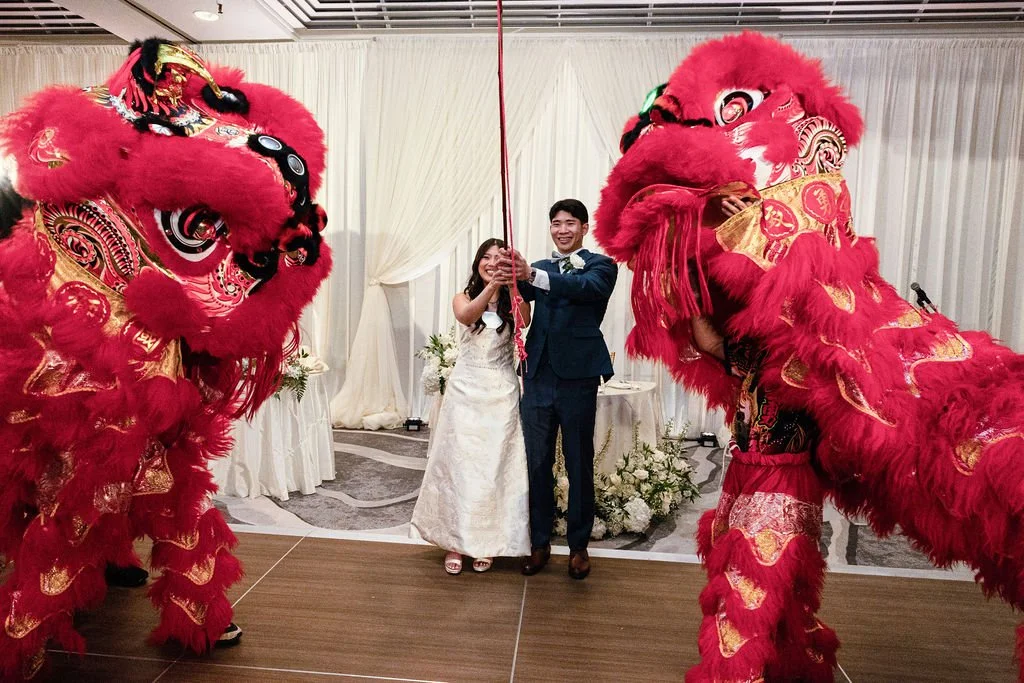
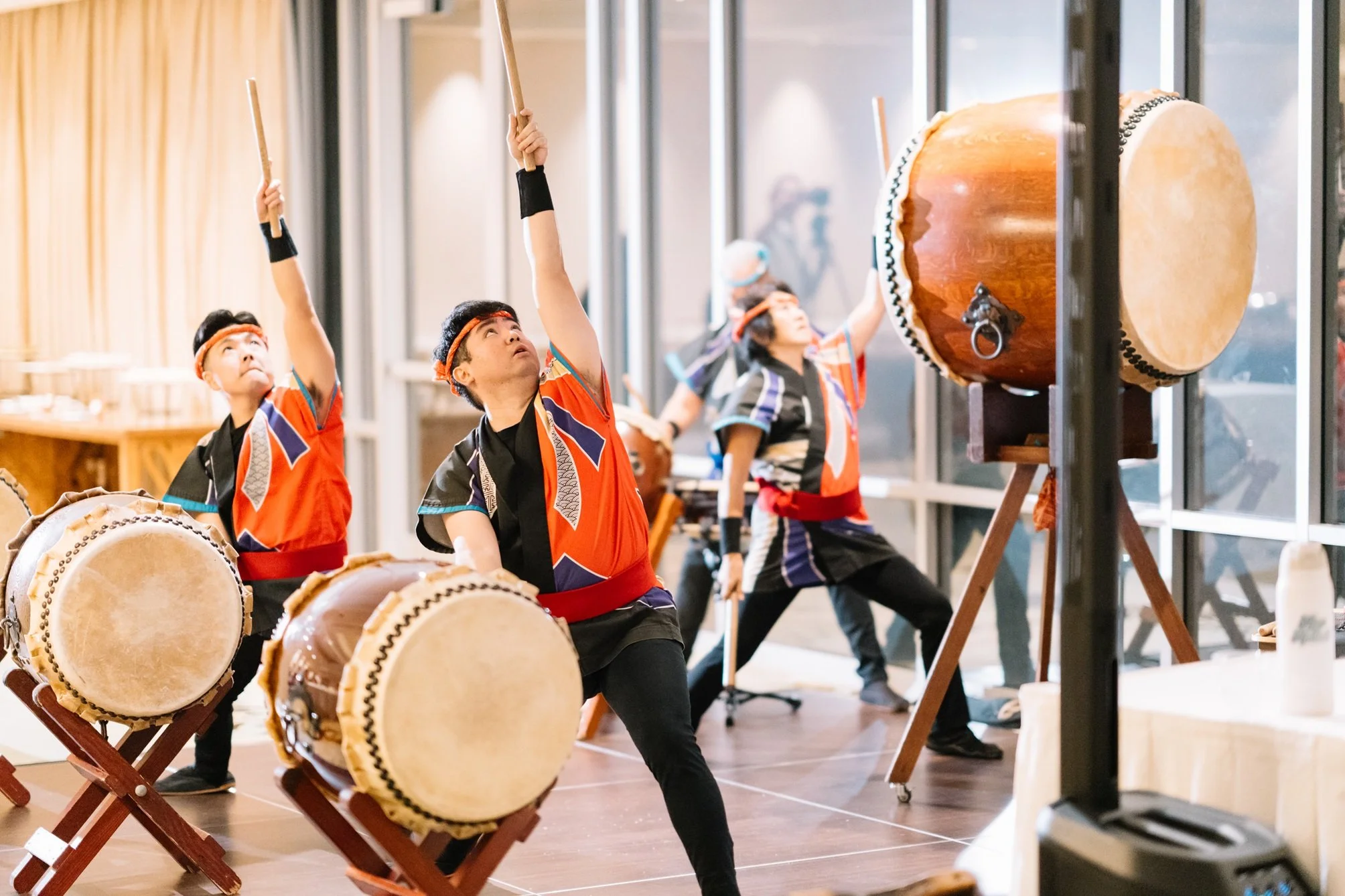
Photography: Bianca Photography
7. Make Time for Photos
Your wedding photos will be one of the few things you have left to look back on after the celebration is over, so give your photographer enough time to capture them.
Talk with your photographer and coordinator ahead of time about your must-have photos, family groupings, couple portraits, and any special moments you want documented.
And don’t forget to leave a little room for candid photos, too! Some of the sweetest images happen when you aren’t looking at the camera!
8. Stay Hydrated
Between the excitement, dancing, warm weather, and celebrating, it’s easy to forget to drink water.
Keep water nearby while you’re getting ready and make a point to hydrate throughout the day. This is especially important for outdoor weddings and warm Hawaiʻi celebrations!
9. Trust Your Vendors
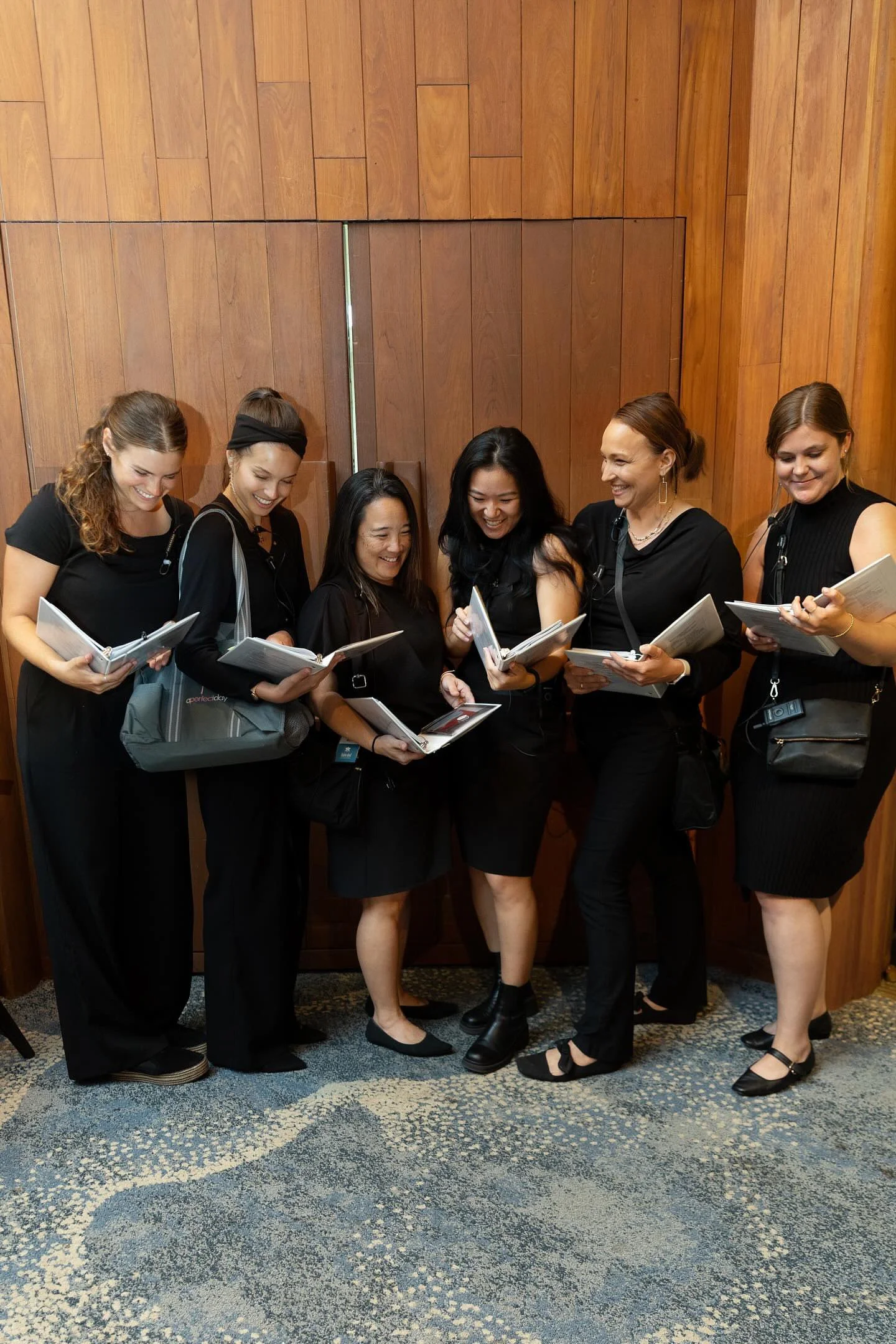
You hired your wedding team for a reason! Your vendors have experience handling timelines, setup, unexpected weather, tricky logistics, and all those little details you may not even realize are happening behind the scenes.
Communicate your vision clearly beforehand, ask questions when you need to, and then trust your team to do what they do best.
While you’re enjoying your wedding, your coordinator can be working behind the scenes to keep everything moving!
10. Remember What the Day Is Really About
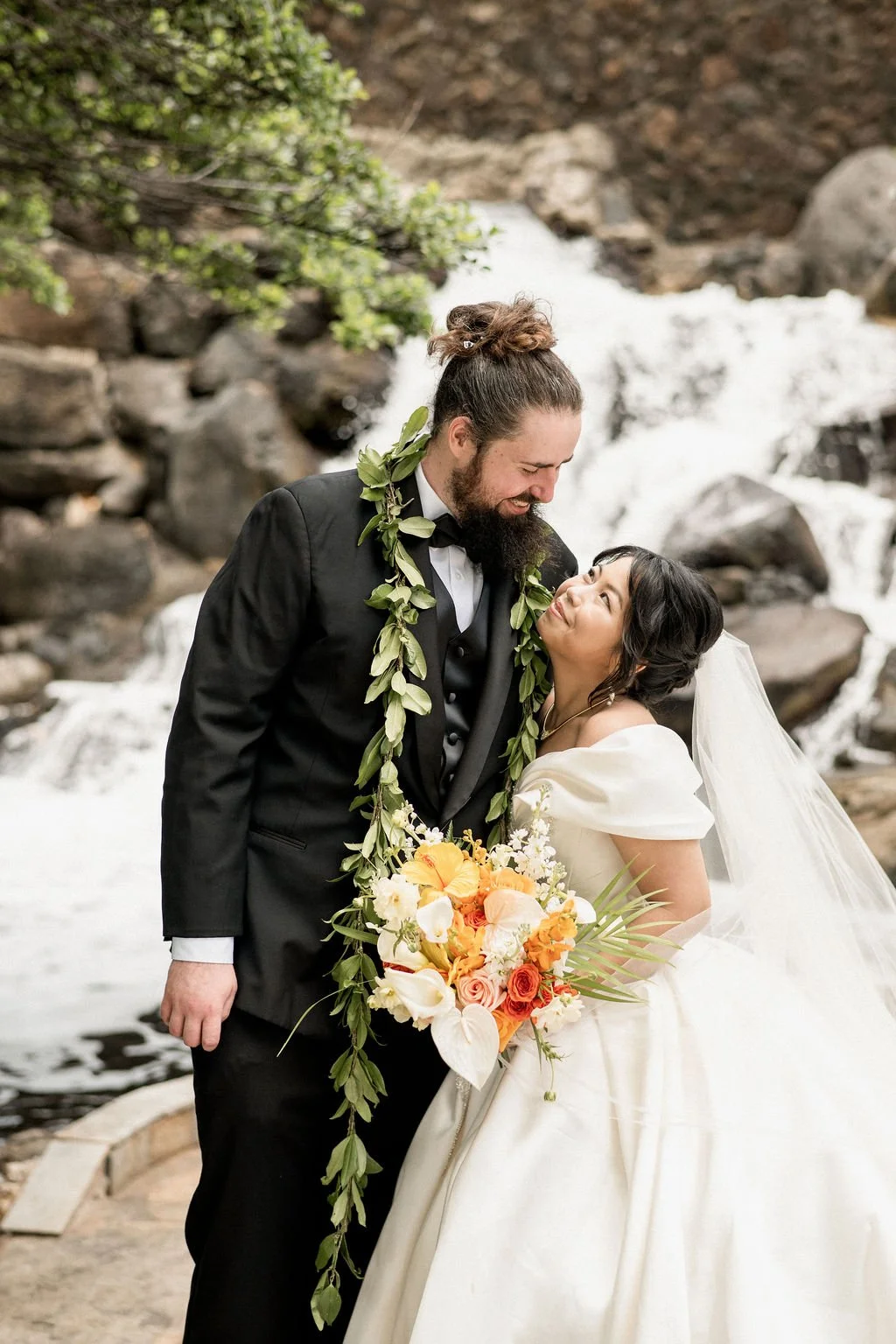
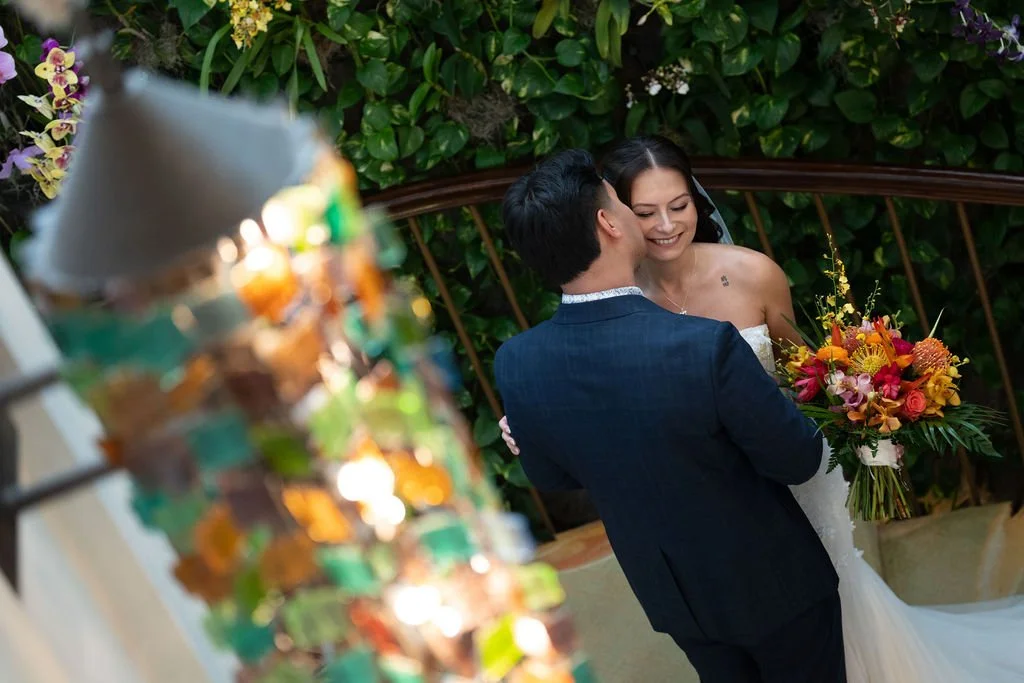
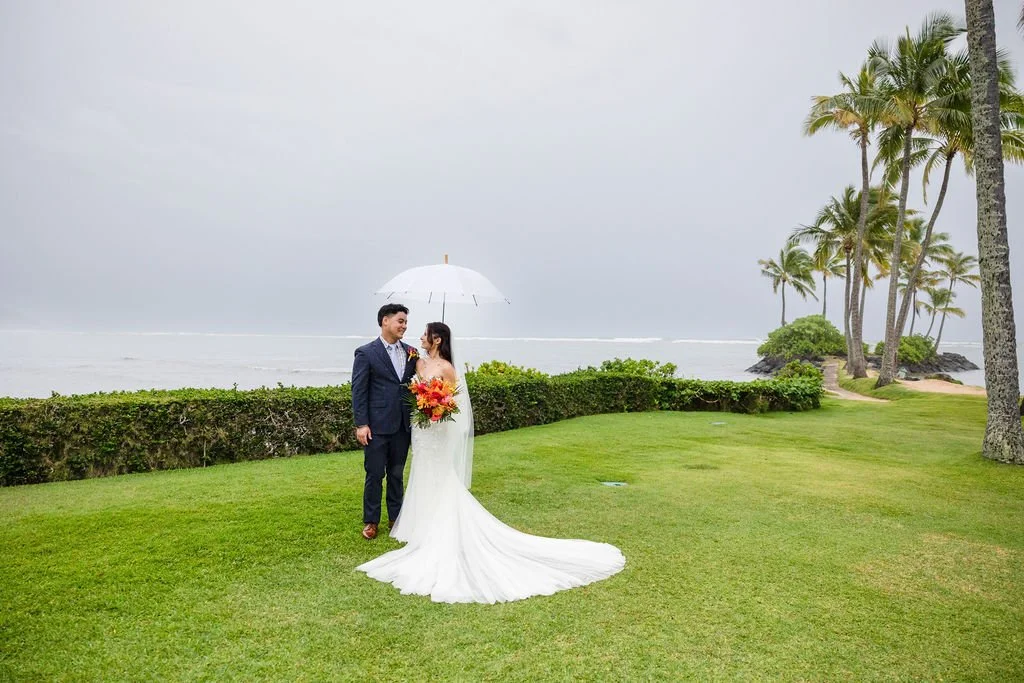
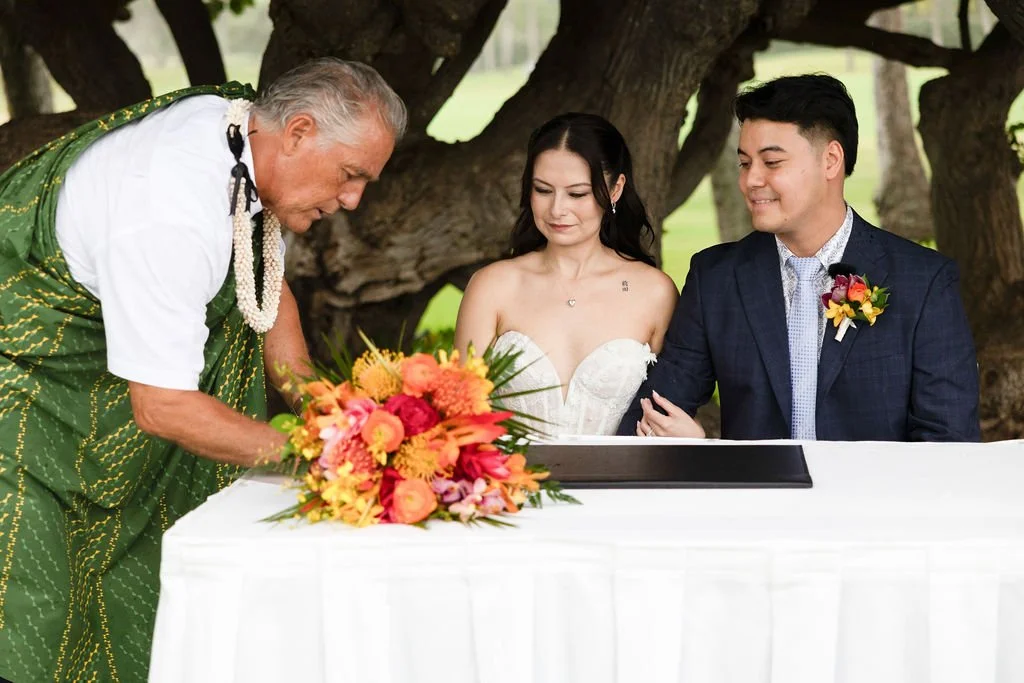
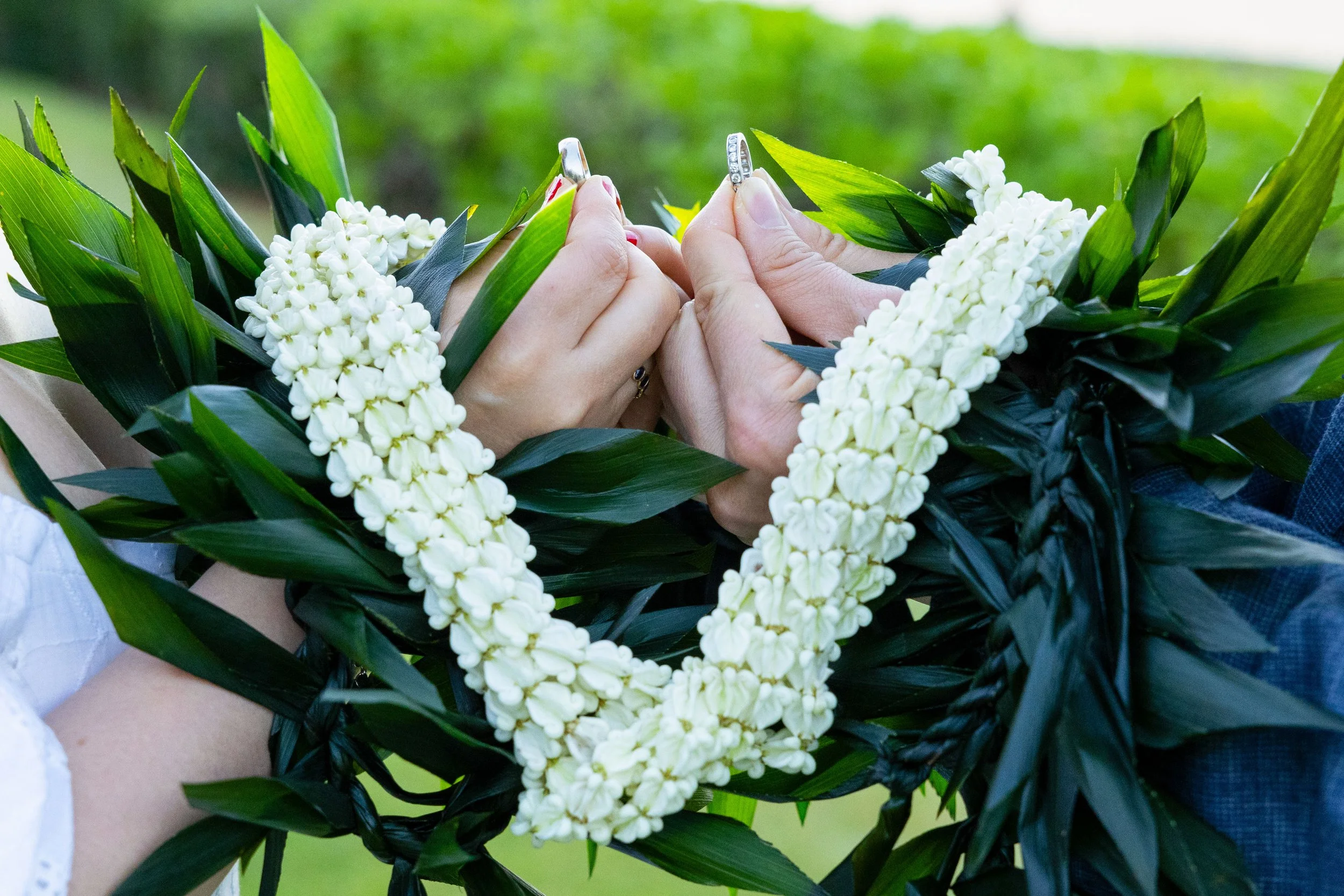
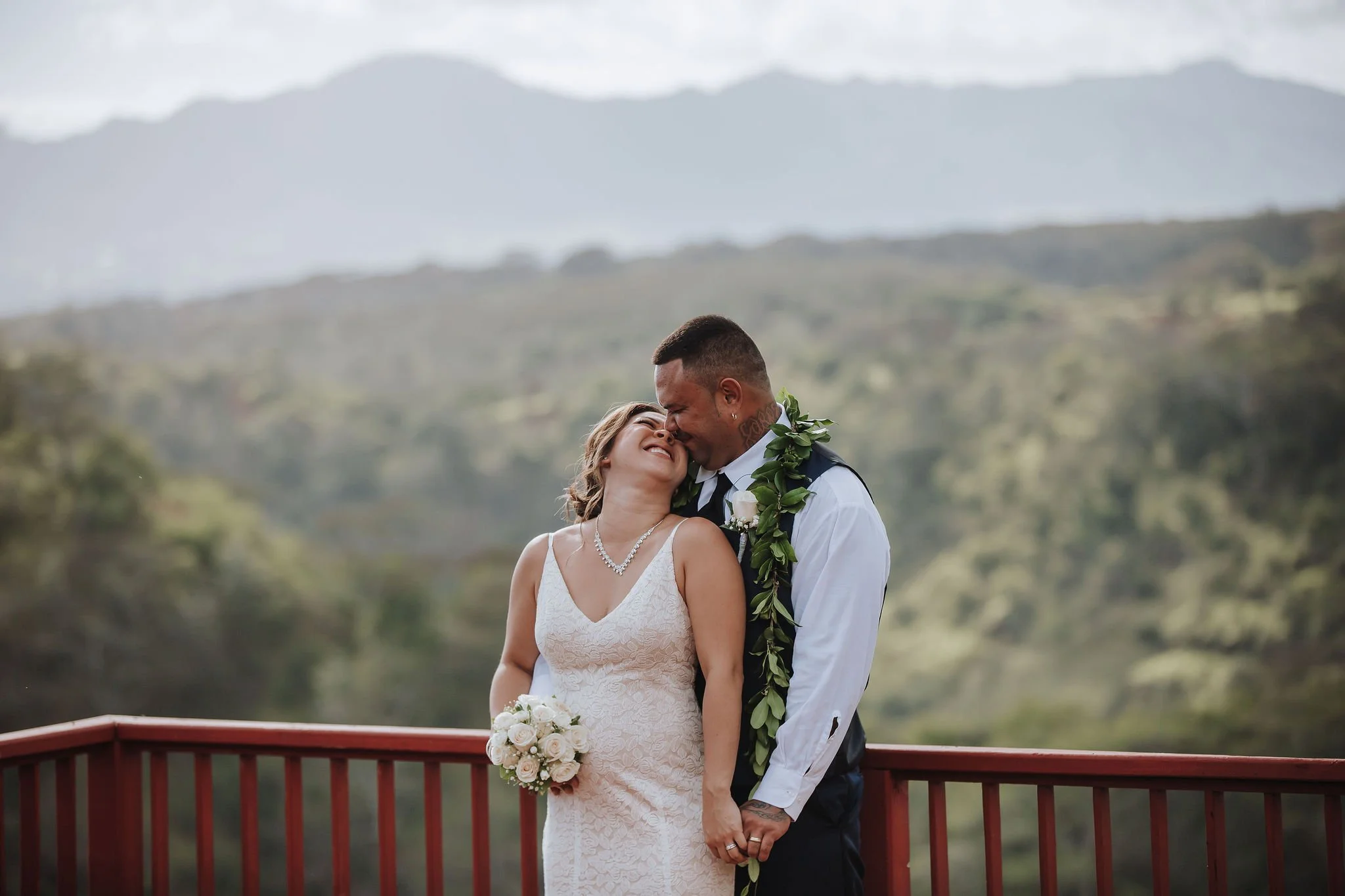
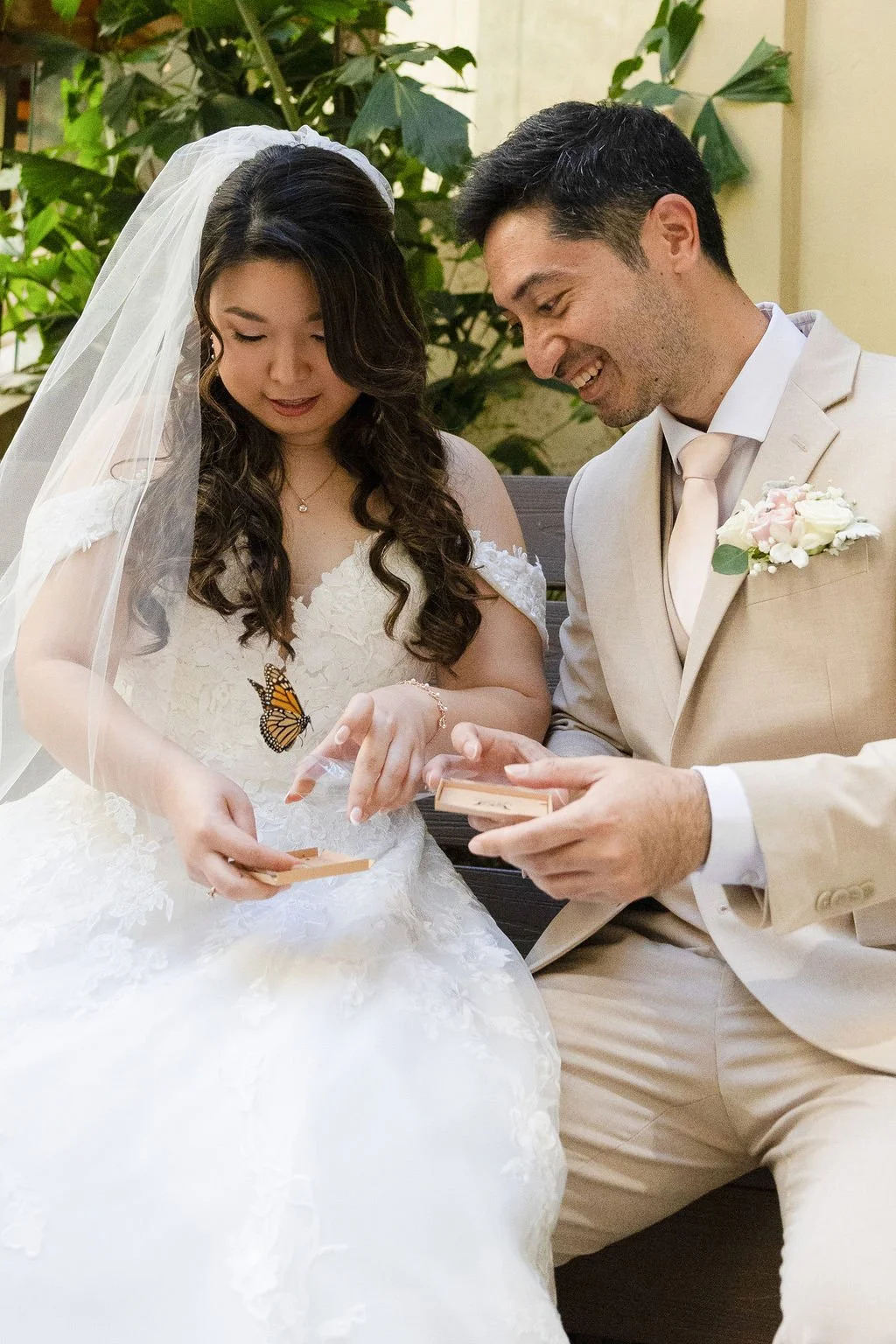
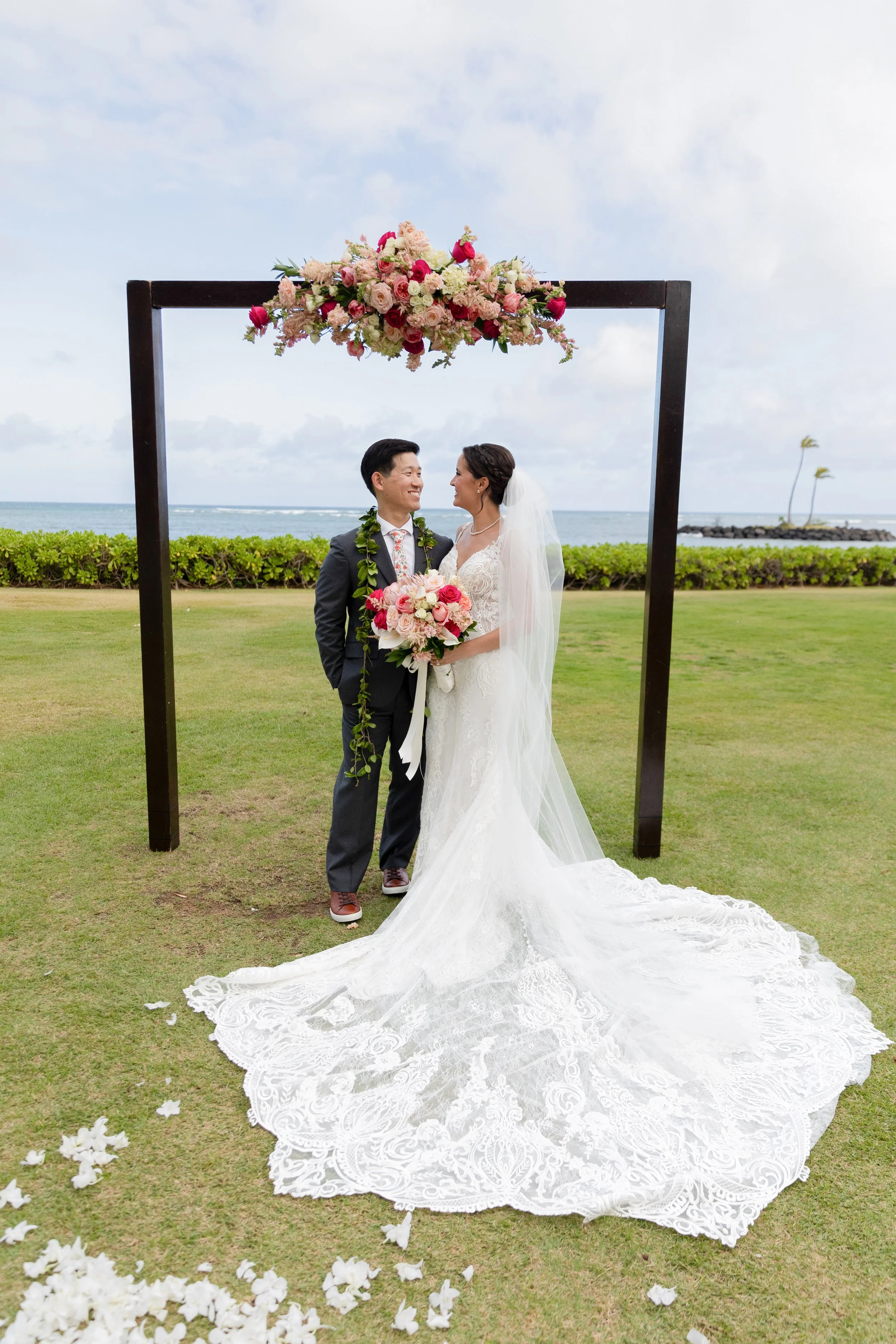
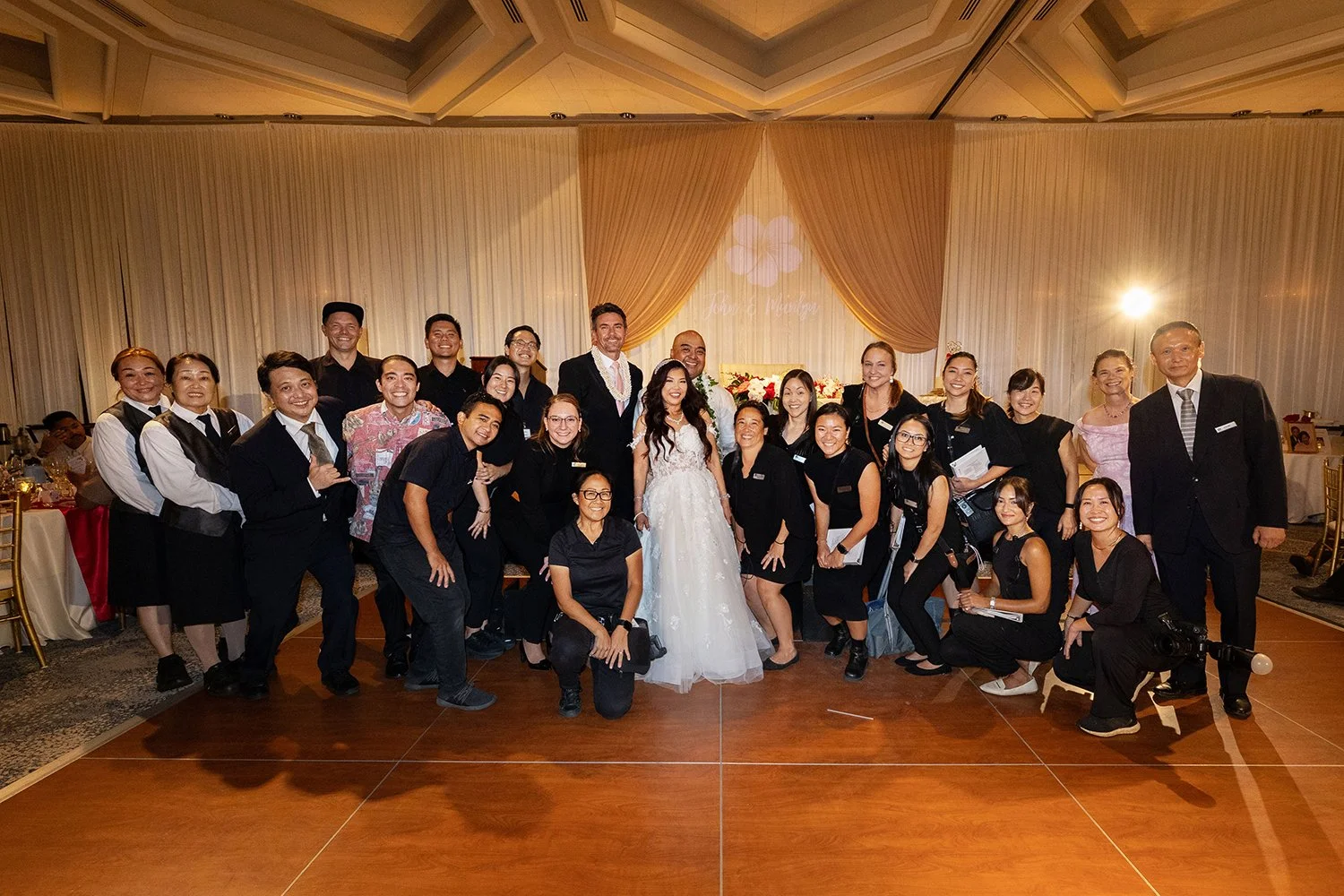
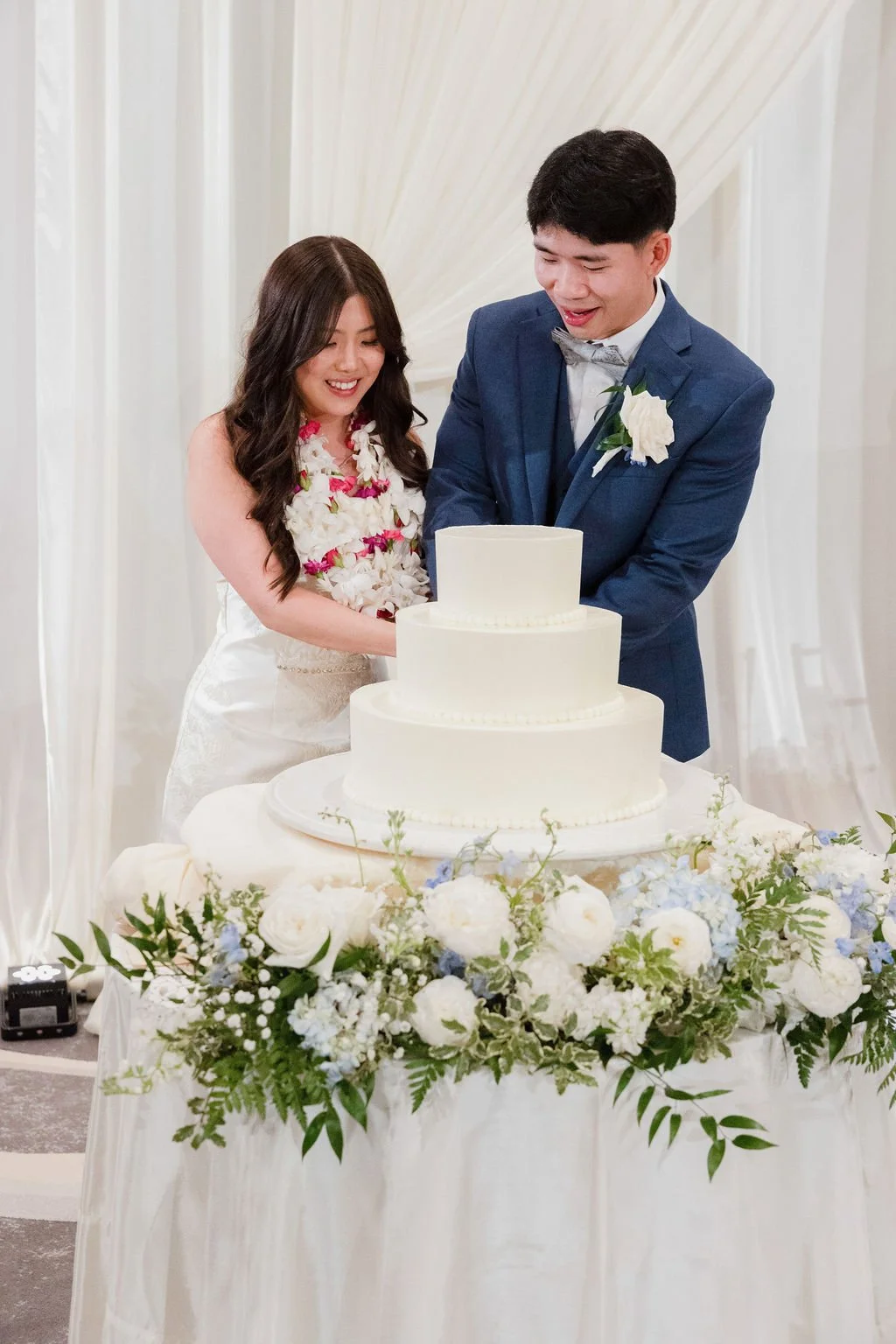
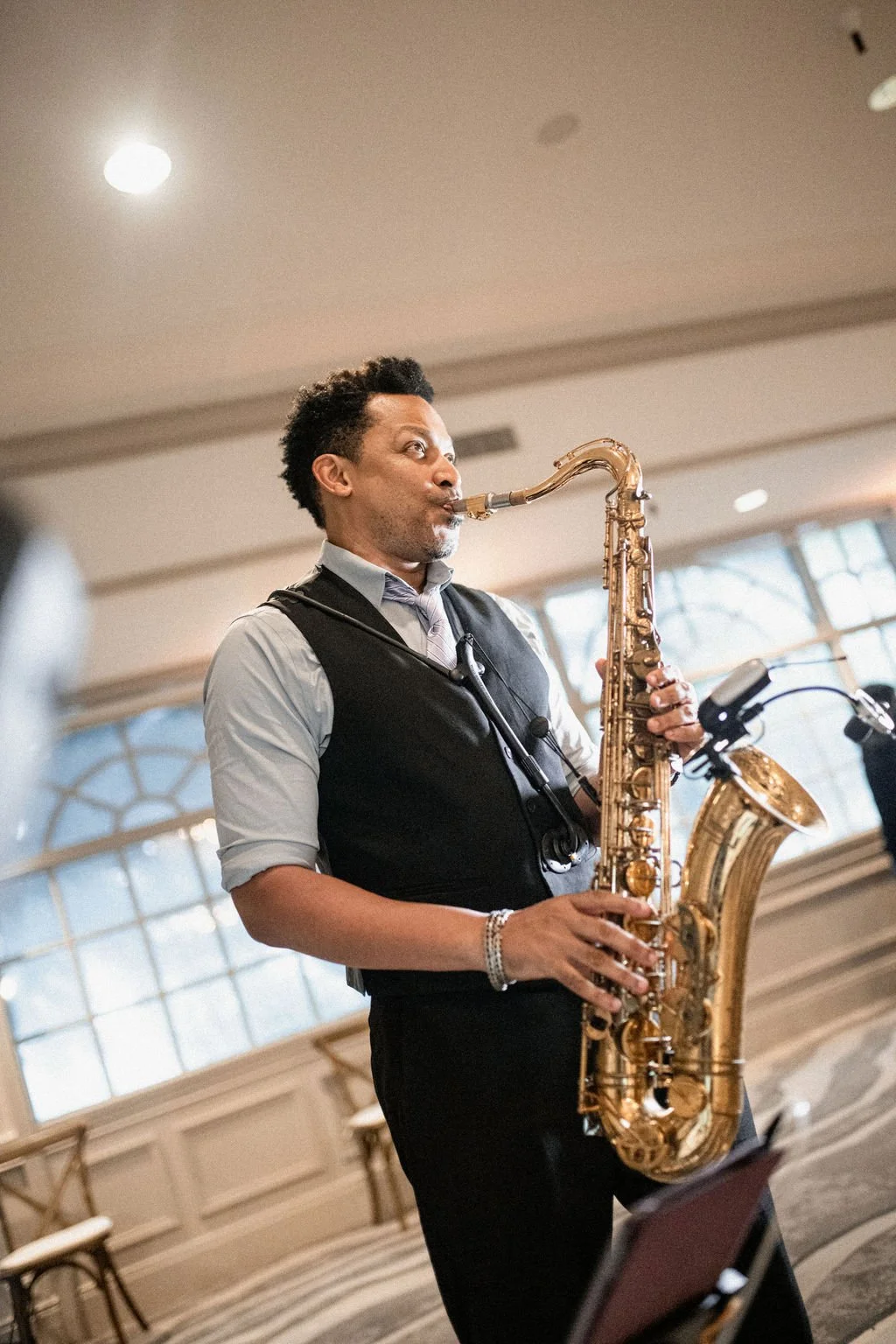
Photography: Joseph Esser Photography
At the end of the day, your wedding isn't about having the perfect centerpiece, sticking perfectly to the timeline, or making sure every photo looks like Pinterest.
It’s about marrying your favorite person.
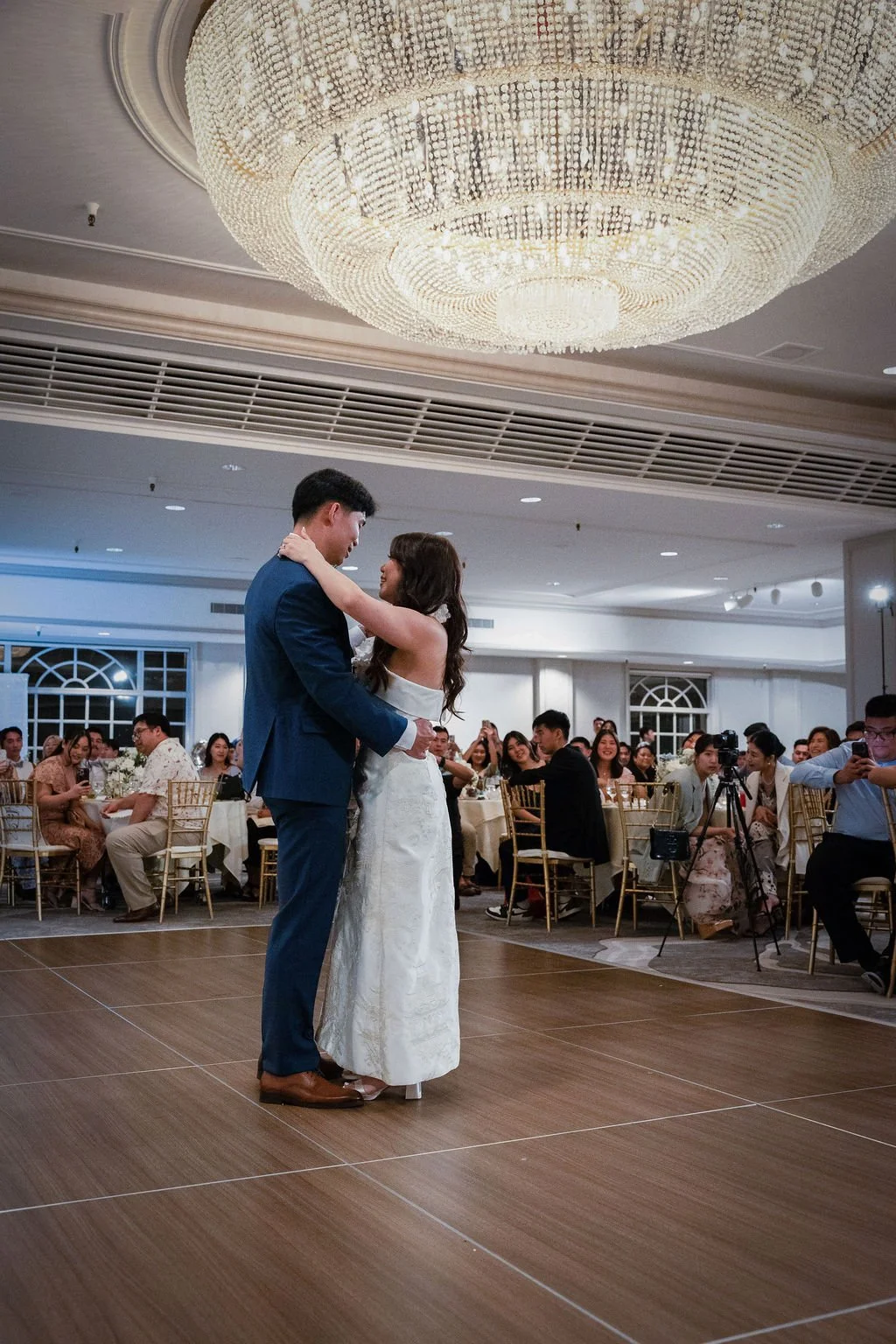
So take a moment to look around. Notice your family laughing together. Listen to your friends cheering. Look at your partner and take it all in.
These are the moments you’ll remember long after the last song plays and the lights turn off.
Enjoy Every Moment!
Your wedding day will probably go by faster than you expect, so give yourself permission to slow down and enjoy it. Let your wedding team handle the details, leave room for a little spontaneity, and don't let the small things steal your attention from the big picture.
You’ve done the planning. You’ve made the decisions. Now it’s time to celebrate, soak it all in, and say “I do” to your next chapter together! 🤍✨
XOXOXO
(A Perfect Day)